-2700x842-1920w.png)




A Complete Guide to Trigeminal Neuralgia: What is it and What you Can Do About It

If you’ve experienced trigeminal neuralgia, then you’ve probably faced what many healthcare professionals say is the most excruciating type of pain a person can experience. Tic douloureux, more commonly known as trigeminal neuralgia, is a medical condition involving intense and unbearable pain in the face or jaws. For individuals with trigeminal neuralgia, managing the chronic orofacial pain stemming from the condition is essential for quality of life.
What is Trigeminal Neuralgia?
To understand trigeminal neuralgia, it helps to become familiar with the body’s cranial nerves. The trigeminal nerve is one of 12 pairs of cranial nerves that send sensory signals from the brain to the head and torso. Each pair of the cranial nerves have specific tasks, enabling such functions as smell, touch, swallowing, and eye movements. These nerves assist with delivering sensory information and motor information to direct movement.
Trigeminal Nerves
Specifically, the trigeminal nerves allow the face to feel pain, temperatures, and sensations. They also assist with the movement of various muscles in the face, jaw, and ears. A significant portion of the trigeminal nerves function is to deliver sensory information to the following parts of face:
- Forehead
- Scalp
- Upper sinuses
- Sinuses
- Mucous membranes in the eyes
- Nose, bridge of the nose
- Nasal cavity
- Front and middle of the tongue
- Cheeks
- Lips
- Chin
- Mouth
- Outer ear
- Teeth and jaws
As you can see, the trigeminal nerves affect many parts of the head and face. When the trigeminal nerves become compromised, significant functional impairments and pain may occur.
Trigeminal Neuralgia Symptoms
Because the pain is so severe, the
symptoms of trigeminal neuralgia are noticeable and unmistakable.
The symptoms of trigeminal neuralgia may include:
- Painful episodes lasting from a couple of seconds to several minutes.
- Facial spasms may occur, accompanied by pain.
- Painful episodes involving the head or face lasting days, weeks, or months. Individuals may go through times of intermittent pain-free episodes.
- Spontaneous orofacial pain, especially in the jaw and mouth area.
- Pain triggered by chewing, brushing teeth, speaking, or touching the face.
- Intensifying pain level and frequency over time
The orofacial pain that accompanies trigeminal neuralgia is described as an intense electrical shock-like pain, which often manifests itself during waking hours — and not while the individual sleeps. These painful episodes begin as a short and mild attack and slowly progress to intense pain.
What causes Trigeminal Neuralgia?
Although various conditions may cause trigeminal neuralgia, the most common cause is a blood vessel pressing directly on the nerve itself. A protective coating called a myelin sheath protects nerves, and compression eventually deteriorates the myelin sheath and impacts the nerve. Injury to the trigeminal nerve, like in a stroke or during a surgical procedure, may also result in trigeminal neuralgia. In rare circumstances, trigeminal neuralgia develops because of nerve compression from a tumor.
How is Trigeminal Neuralgia Diagnosed?
Diagnosing trigeminal neuralgia involves a thorough assessment to look for the presence of three factors:
- Sudden, piercing, shock-like pain.
- Distinct parts of the face that are affected, which align with areas controlled by the trigeminal nerves.
- Pain that’s triggered by movement such as talking or eating, as well as external triggers like touch and temperature.
Further examinations may include a neurological exam along with a reflex test. The reflex tests offer clues as to whether the trigeminal nerve is compromised. A healthcare provider may also choose to obtain a Magnetic resonance imaging (MRI) to determine the presence of a tumor or muscle injury.
Treatments for Trigeminal Neuralgia
There’s no cure for trigeminal neuralgia, but treatments exist that can manage or alleviate the pain. The severe orofacial pain that occurs with trigeminal neuralgia is often debilitating, so finding a treatment intervention that works is essential for a person’s quality of life. These are the most common treatments used for trigeminal neuralgia:
- Anticonvulsant medications to block nerve firing. Some examples of medications prescribed are phenytoin, gabapentin, pregabalin, lamotrigine, and valproic acid.
- Tricyclic antidepressants alleviate pain and address mood disorders resulting from chronic pain.
- A surgical procedure called a rhizotomy (rhizolysis) purposefully and strategically injures nerve fibers to block pain signals.
- A balloon compression surgery in which a tube is inflated against a nerve to curb chronic facial pain.
- Radiofrequency thermal lesioning, more commonly known as RF Ablation, inserts a hollow needle that passes light electrical currents to damage nerve fibers purposely. In turn, pain sensations become blunted.
Other Treatments for Trigeminal Neuralgia
Although medication and surgery are the most well-known treatments for trigeminal neuralgia, they work best when combined with other interventions. Lifestyle changes, stress management, and sleep therapy are ways to help manage the pain and anxiety brought about by trigeminal neuralgia. Individuals should consult with their healthcare provider before incorporating any treatments not approved by their treatment teams.
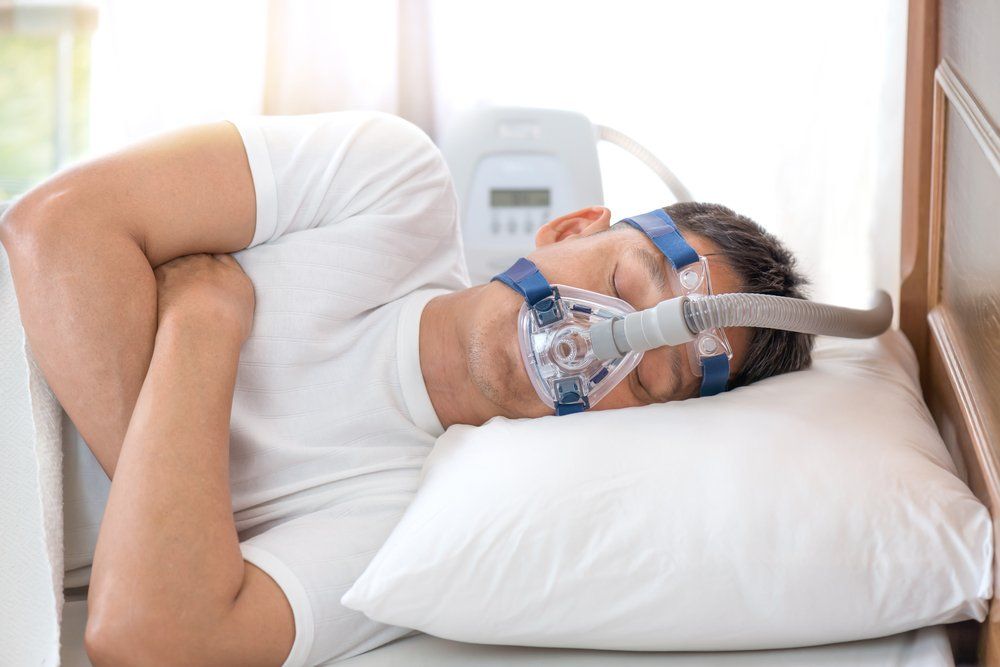
Trigeminal Neuralgia and Sleep
It’s no surprise that orofacial and neuropathic pain are
impacted by sleep. The relationship between the two is bidirectional — pain affects sleep quality, and sleep quality affects pain. Poor sleep quality leads to increased pain sensitivity, highlighting the need to incorporate sleep therapy into treatment plans for conditions like trigeminal neuralgia.
In addition, the medications typically chosen for the treatment of trigeminal neuralgia — like anticonvulsants and antidepressants — can adversely impact good quality sleep. About 68% of people with neuropathic pain similar to trigeminal neuralgia experienced disturbed sleep.
People with trigeminal neuralgia:
- Are four times more likely to wake up sometime during their sleep.
- Are more likely to have nightly awakenings due to innocuous stimuli ( like light touch or a breeze).
- Have higher rates of pain-related sleep disturbances.
Incorporating sleep treatments in combination with trigeminal neuralgia therapies offer the best chances to control and alleviate pain.
Finding Help for Trigeminal Neuralgia
If you have symptoms of trigeminal neuralgia, seeing an orofacial pain specialist can help manage your pain.
Dr. Katherine Phillips
is board-certified by the American Board of Orofacial Pain and has the background and experience to treat your condition.
Contact us to learn more about treatment options and let us help manage your trigeminal nerve pain.
Contact Us Today For A Consultation!
Contact Us

Read more blogs from REstore TMJ: