-2700x842-1920w.png)




What Are TMJ Appliances and Do They Help with TMD?

*Updated on 1/19/26
TMJ appliances are custom-made oral devices designed to reduce strain on the temporomandibular joints and surrounding muscles by improving how the jaw rests, moves, and distributes force. By limiting harmful tooth contact, interrupting clenching and grinding patterns, guiding the jaw into a healthier position, and protecting the teeth from bruxism-related damage, these appliances help calm overloaded joints and muscles so irritated tissues can heal. Backed by decades of clinical research, splint therapy is considered a first-line, conservative treatment for TMD, offering noninvasive relief from pain, stiffness, and inflammation while helping prevent long-term joint deterioration.
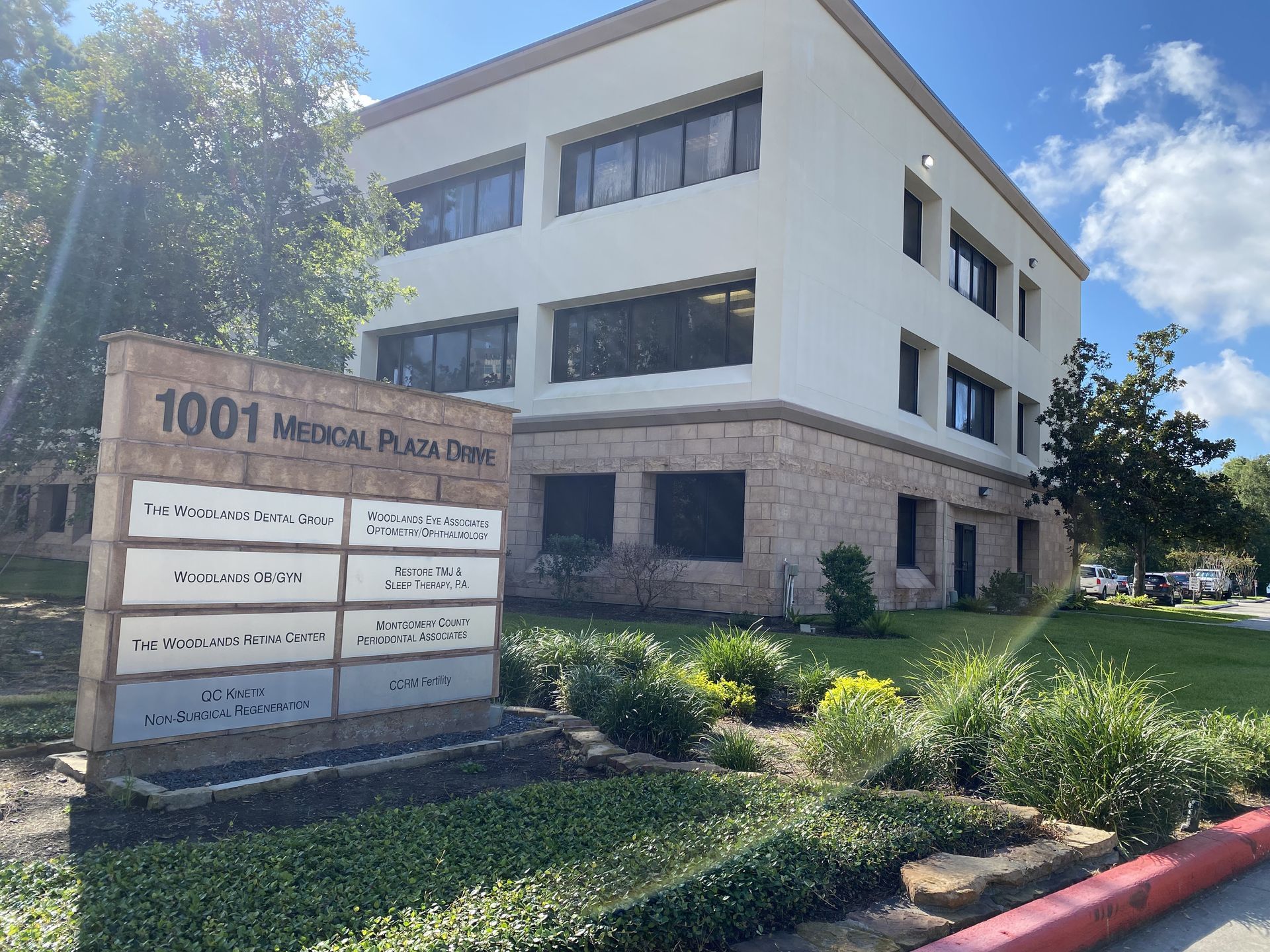
Restore TMJ & Sleep Therapy in The Woodlands is a specialty-focused practice dedicated exclusively to the diagnosis and treatment of TMJ disorders, facial pain, and sleep-related conditions. Led by Dr. Katherine S. Phillips, a double board-certified orofacial pain specialist and Fellow of the American Academy of Orofacial Pain, and Dr. YC Joseph FischerHahm, an experienced TMJ and airway-focused provider, our team has delivered thousands of custom TMJ appliances and manages TMD cases every day. With advanced training, deep clinical experience, and evidence-based approach, Dr. Phillips and Dr. FischerHahm are trusted experts in providing safe, precise, and highly effective appliance therapy for patients seeking lasting relief.
Here’s more on what TMJ appliances are, how they work, the types used in modern TMD care, and why treatment is most effective when guided by a trained TMJ specialist.
Understanding TMJ Disorders
The temporomandibular joints (TMJs) connect the lower jaw to the skull just beneath the ears. They are among the most complex joints in the human body, capable of hinging, gliding, rotating, and shifting in multiple directions to support chewing, speaking, swallowing, and yawning.
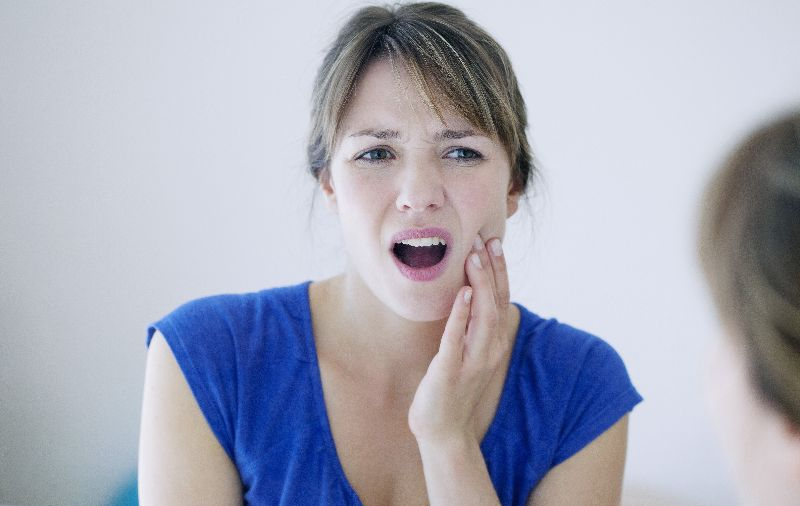
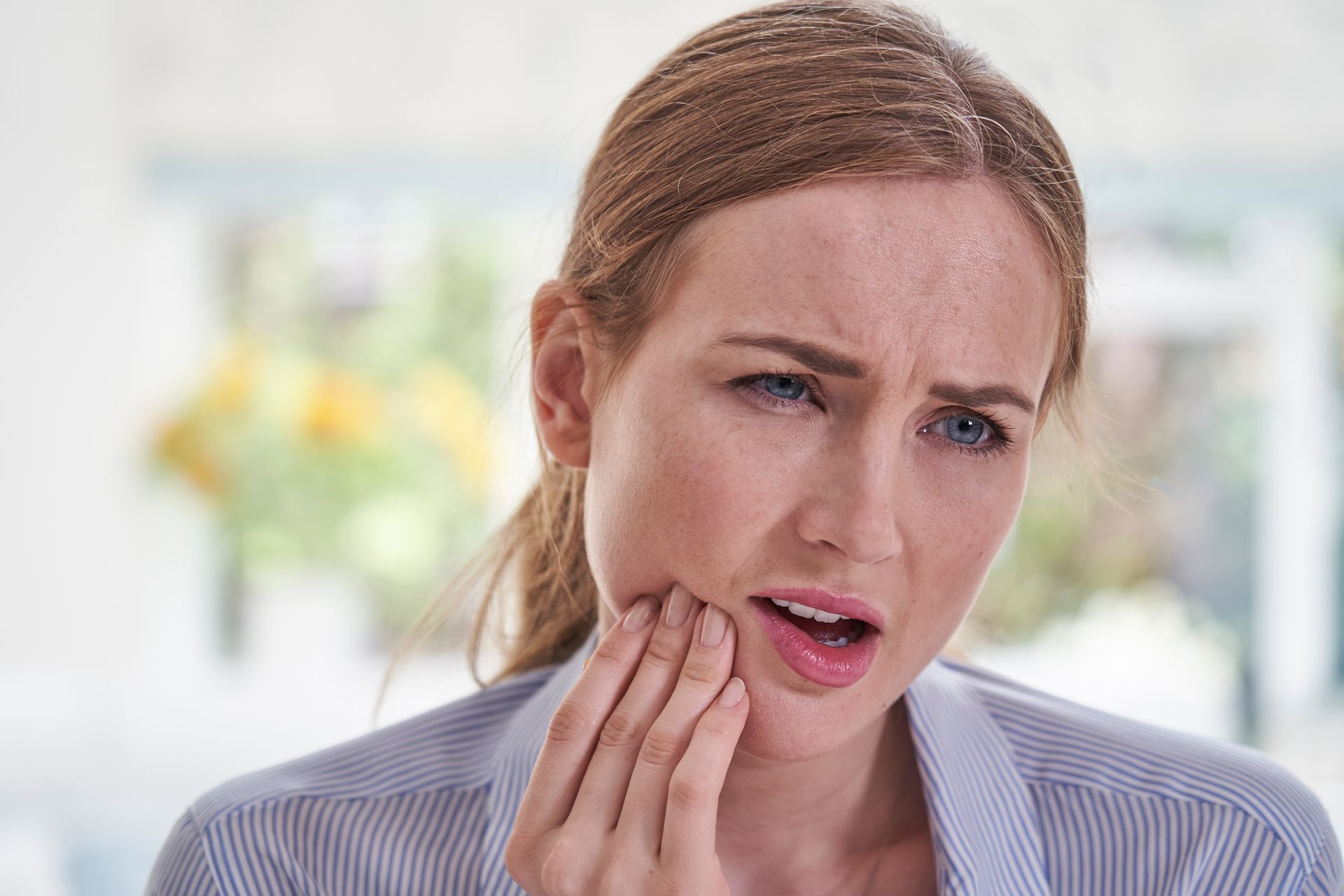
When the TMJ or its associated muscles and ligaments are strained, inflamed, or structurally impaired, a wide range of symptoms may occur, including:
- Jaw clicking or popping
- Chewing pain
- Facial pain
- Tooth wear or unexplained fractures
- Limited jaw opening or locking
- Migraines or tension headaches
- Earaches or pressure
- Dizziness
- Neck and shoulder pain
- Clenching and grinding (awake or asleep)
Although TMJ pain affects up to 10% of the population and is the third most common chronic pain condition globally, TMD is significantly underdiagnosed. Because TMD symptoms overlap with many other medical and dental conditions, many patients go years without proper evaluation, but a precise diagnosis is essential, especially before any appliance therapy begins.
An Overview of TMJ Appliances
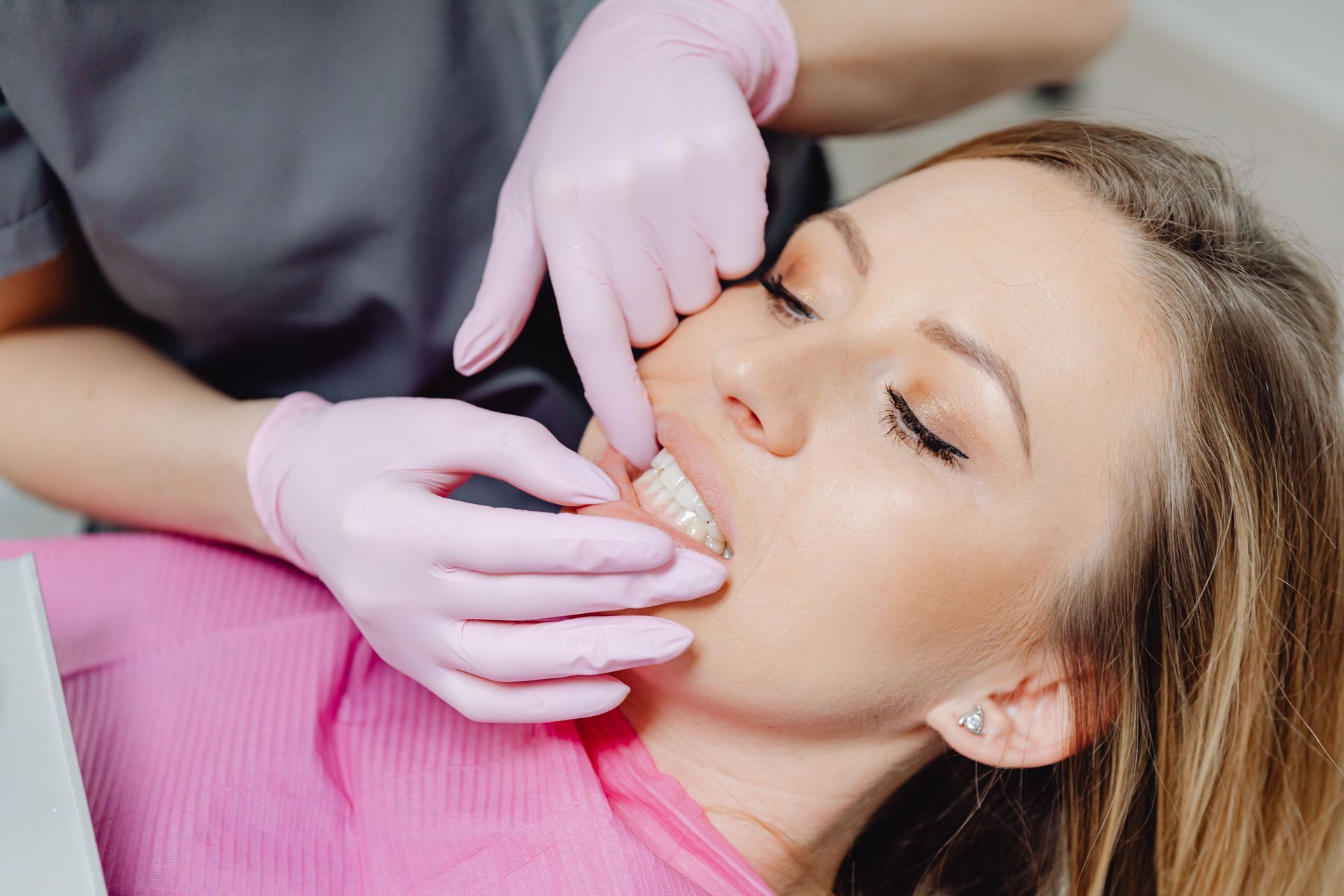
TMJ appliances are custom-designed oral devices that fit over the upper and/or lower teeth. Treatment with a TMJ appliance is known as splint therapy and is widely recognized by organizations such as the American Academy of Orofacial Pain (AAOP) and the National Institutes of Health (NIH) as a first-line, conservative option for many TMD diagnoses. Although they resemble night guards, the purpose of TMJ appliances is more specific.
Properly supervised TMJ appliance therapy is designed to:
- Reduce strain on the TMJ.
- Limit harmful tooth contact.
- Interrupt clenching and grinding patterns.
- Reposition the jaw when needed.
- Support disc and ligament healing.
- Reduce muscle overactivation.
- Protect teeth from bruxism damage.
Benefits of TMJ Appliance Therapy
TMJ appliances offer several meaningful advantages for patients experiencing TMD, making them one of the most reliable and well-supported conservative treatments available. Because they address the mechanical stresses that drive joint and muscle irritation, appliances can significantly reduce symptoms while helping protect the TMJ from further damage, and a well-designed TMJ appliance—used as part of a comprehensive, specialist-directed treatment plan—remains one of the most consistently effective, conservative, and research-supported therapies for managing TMD and protecting the long-term health of the jaw.
Here are some of the benefits of using TMJ appliances to treat and manage TMD symptoms.
- Noninvasive, reversible treatment. Appliance therapy requires no injections, surgery, or permanent changes to the teeth. It is fully reversible, adjustable, and customized to the patient, making it an ideal first step before considering more invasive therapies.
- Supported by strong clinical evidence. Decades of research validate the effectiveness of stabilization splints and other custom TMJ appliances in reducing pain, improving function, and supporting long-term joint health. They are widely recognized by organizations such as the AAOP and NIH as a first-line, evidence-based option for many TMD diagnoses.
- Symptom relief within weeks. Many patients notice gradual improvements within 8–12 weeks, including reduced jaw pain, easier chewing, fewer headaches, decreased ear pressure, and improved jaw mobility. For individuals with clenching or grinding, splints often reduce morning soreness and muscle tension.
- Protection against tooth wear and joint overload. Appliances prevent destructive tooth-to-tooth contact, helping reduce fractures, wear, and bite trauma. By minimizing excessive forces on the TMJs, they also help prevent worsening inflammation and microtrauma within the joint.
- Reduction of muscle tension and inflammation. By altering jaw position and reducing parafunctional activity, TMJ appliances help overworked muscles relax. This often leads to fewer muscle-triggered headaches, less neck and facial tension, and improved comfort throughout the day.
- Improved sleep quality. For patients who clench or grind during sleep, appliances can reduce nocturnal muscle activity, morning pain, and sleep interruptions. In some cases, they may also support better airway positioning when paired appropriately with other sleep-focused treatments.
- Helps prevent long-term progression. Untreated TMD can lead to worsening joint strain, disc displacement, bite changes, chronic pain, and degenerative changes in the TMJ. Appliance therapy helps stabilize joint mechanics early, reducing the risk of long-term complications.
How TMJ Appliances Work: The Physiology Behind Their Effectiveness
Although TMJ appliances vary widely in design, they all function by altering the mechanical environment of the jaw to reduce strain on the joints and surrounding musculature. By improving the way the jaw rests, moves, and distributes force, these appliances help interrupt the cycles of clenching, grinding, and joint overloading that contribute to TMD. They also create conditions that allow irritated tissues—such as the articular disc, ligaments, and jaw muscles—to recover. Most importantly, their therapeutic effect is supported by decades of clinical research demonstrating meaningful improvements in pain, function, and long-term joint stability.
Here are 5 ways TMJ appliances and splint therapy can help treat TMD symptoms.
1. They reduce joint loading.
Clenching and grinding can place forces on the TMJ that exceed 250 psi, creating ongoing microtrauma to the joint surfaces and surrounding tissues. Appliances like a stabilization splint helps distribute forces evenly, reduce compression, and allow irritated tissues to rest.
2. They prevent harmful tooth contact.
Teeth should only touch when chewing. Constant contact or clenching overactivates the masseter, temporalis, and pterygoid muscles, which are major contributors to TMD pain.
3. They improve jaw posture and mechanics.
Some appliances guide the lower jaw into a more physiologic position, reducing strain on joint surfaces and soft tissues. Even small positional improvements can reduce symptoms significantly.
4. They reduce muscle activity.
Studies show appliances can reduce overactivity in jaw muscles as measured by EMG.
5. They protect teeth from the damage caused by bruxism.
In patients with severe grinding, appliances prevent fractures, wear, and bite trauma that can exacerbate TMJ symptoms.
Common Types of TMJ Appliances
TMJ disorders vary widely from person to person, which means the right appliance must be carefully chosen to match each patient’s specific symptoms and jaw function. A device that works well for one type of TMD may be ineffective—or even counterproductive—for another. For this reason, diagnosis and appliance selection should always be guided by a specialist who understands the full range of TMD presentations.
At Restore TMJ & Sleep Therapy, several types of appliances are used depending on what is contributing to a patient’s pain and dysfunction. Here are 3 of the most common.
1. Stabilization Splints (Flat-Plane Occlusal Splints)
These are the most extensively researched TMJ appliances for long-term relief.
They:
- Provide even contact
- Reduce joint load
- Prevent clenching and grinding
- Facilitate muscle relaxation
- Create stable neuromuscular positioning
These splints typically require full-time wear during the early phase of treatment.
2. Repositioning Splints
These appliances guide the jaw into a better-resting position to improve disc alignment, reduce strain, and restore balanced mechanics.
Because they change jaw posture, they must be carefully monitored by a specialist.
3. Bruxism Appliances (When Appropriate)
Some hard-acrylic night guards may be used for grinding-heavy cases, but most generic dental night guards are not designed for TMD and may worsen symptoms.
Rather than reducing muscle activity and joint loading, soft store-bought or OTC guards do the opposite as they may:
- Encourage chewing/clenching.
- Increase muscle activation.
- Increase joint strain.
- Provide no therapeutic guidance.
For these reasons, both AAOP and NIDCR caution against the use of OTC devices for TMJ disorders.
Why Seeing a TMJ Specialist Matters for Your TMJ Appliance
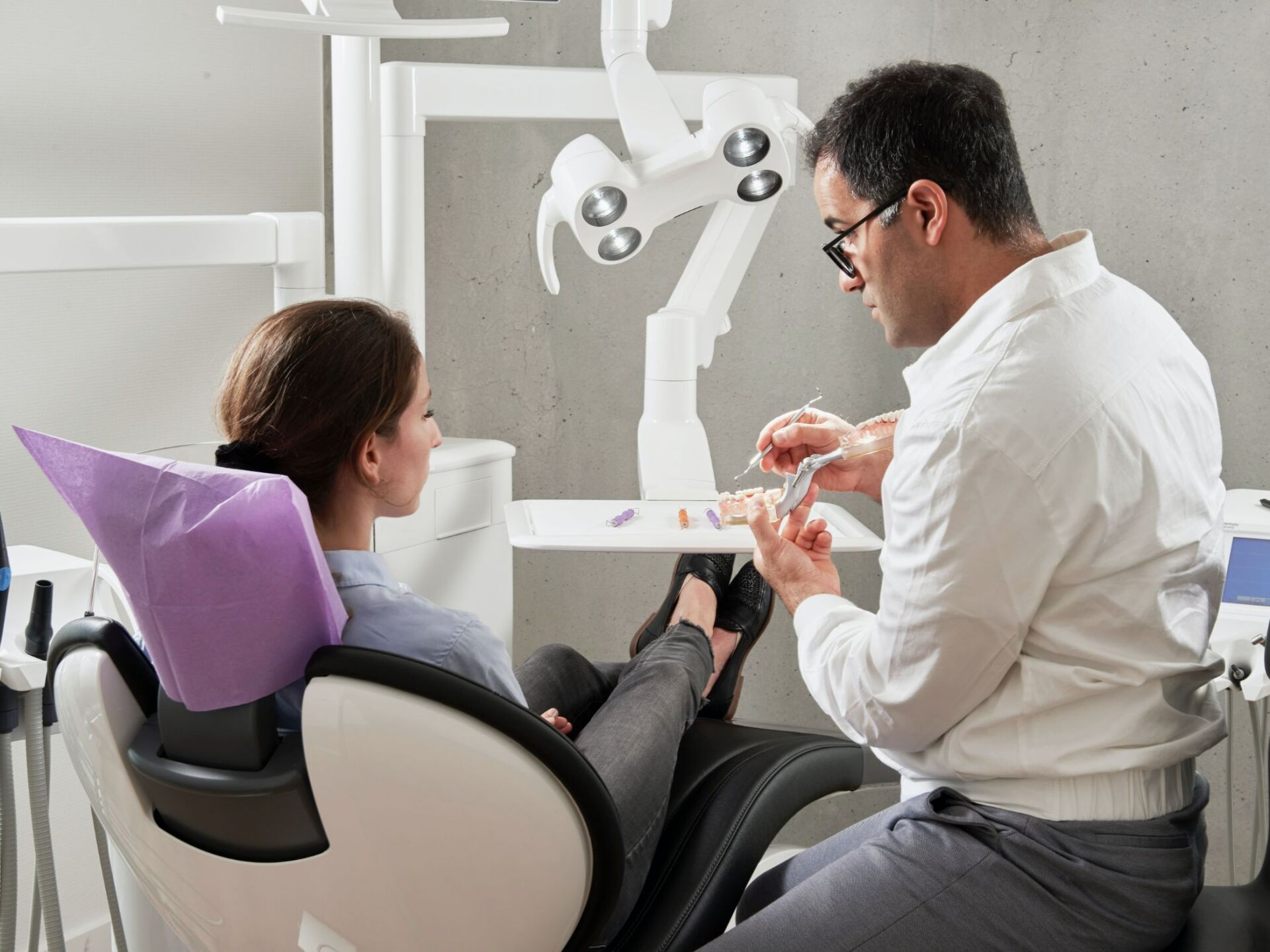
Temporomandibular disorders involve complex interactions among the jaw joints, facial and cervical muscles, cranial nerves, bite alignment, posture, airway function, and behavioral patterns. Because these conditions rarely stem from a single cause, effective treatment requires a clinician with advanced training in orofacial pain, joint biomechanics, and conservative, evidence-based therapies. TMJ appliance therapy is safest and most effective when overseen by providers who diagnose and treat TMD every day.
At Restore TMJ & Sleep Therapy, that expertise is led by
Dr. Katherine S. Phillips and
Dr. YC Joseph FischerHahm. Dr. Phillips is double board-certified in Orofacial Pain and Dental Sleep Medicine and is a Fellow of the American Academy of Orofacial Pain (AAOP), credentials that reflect high-level mastery in diagnosing and managing complex head, neck, and jaw disorders.
Dr. FischerHahm brings advanced training in TMJ disorders, orofacial pain, and airway-focused dentistry, with extensive experience in precision appliance design, functional diagnostics, and multi-system treatment planning. Together, Dr. Phillips and Dr. FischerHahm provide a depth of specialization and interdisciplinary insight that goes far beyond general dental practice, ensuring that each patient receives accurate diagnosis, appropriate appliance selection, and comprehensive care tailored to the underlying causes of their TMD.
For safe, successful, and lasting outcomes from your TMJ appliance therapy, seeing a TMJ specialist ensures you receive:
1. An accurate diagnosis.
TMD includes multiple subtypes—myofascial pain, disc displacement, arthralgia, joint degeneration, capsulitis, and neuropathic components—each requiring a different therapeutic approach.
Dr. Phillips and Dr. FischerHahm use detailed examinations, in-depth patient interview, functional assessments, and advanced imaging to determine the appropriate diagnosis, allowing for development of a comprehensive treatment plan to address symptoms and improve function.
2. The correct appliance selection.
Different appliances serve different purposes, and the wrong device can increase clenching, overload the joint, or shift the bite.
With extensive experience in designing and adjusting TMJ appliances, Dr. Phillips and Dr. FischerHahm select and customize the device that best fits the patient’s specific condition and jaw mechanics.
3. The prevention of bite changes and complications.
Specialist oversight ensures the appliance is adjusted appropriately over time and that any early signs of bite changes are identified and corrected promptly.
4. Integrated, comprehensive, and multi-modal care.
Long-term stability often requires more than a splint. Dr. Phillips and Dr. FischerHahm incorporate adjunctive care—such as physical therapy, targeted exercises, habit modification, stress and
bruxism management, sleep and airway evaluation, and postural correction—based on each patient’s diagnosis and response to treatment.
5. Evidence-based treatment.
The care at Restore TMJ & Sleep Therapy follows clinical guidelines supported by leading organizations, including the American Academy of Orofacial Pain (AAOP), American Academy of Dental Sleep Medicine (AADSM), and the National Institutes of Health (NIH).
This ensures every appliance, adjustment, and adjunctive therapy reflects current best practices and the latest research on TMJ disorders.
Start Your Path Toward Relief with TMJ Appliances from Restore TMJ & Sleep Therapy
If jaw pain, headaches, clicking, clenching, or facial tension are affecting your daily life, schedule an appointment with the TMJ specialists at Restore TMJ & Sleep Therapy. With expert diagnostics, precision appliance therapy, and a multi-disciplinary approach, Dr. Phillips, Dr. FischerHahm, and the Restore team can help you achieve long-term improvement and a healthier, more comfortable foundation for daily function. Schedule your consultation today.
Contact Us Today For A Consultation!
Contact Us

Read more blogs from REstore TMJ: