-2700x842-1920w.png)




Treating Mild to Moderate Sleep Apnea

After discovering that you have sleep apnea, you may need to determine what type of treatment will work best for your needs. Treating mild to moderate sleep apnea can be accomplished by a variety of solutions, from oral appliance therapy to the use of a CPAP machine. A doctor can help you determine the best steps for treating your specific symptoms, identifying the symptoms of sleep apnea, or diagnosing sleep apnea if needed.
What is Mild Sleep Apnea?
Sleep apnea occurs when an airway obstruction during sleep causes you to stop breathing for 20-30 seconds at a time throughout the night which can lead to lowered blood oxygen levels or cause you to wake unexpectedly. Mild sleep apnea can prove more difficult to track and diagnose since you may have less-severe symptoms or might not notice the symptoms during the day.
The severity of sleep apnea, however, does not necessarily correlate directly to symptoms, since some patients with mild to moderate sleep apnea may have significant symptoms during the day, while some patients with severe sleep apnea may not struggle substantially with those symptoms, including tiredness or insomnia.
Mild to Moderate Sleep Apnea Symptoms
Symptoms of mild to moderate sleep apnea usually appear consistently over time. Symptoms may include:
Snoring
Patients with sleep apnea often have consistent, loud snoring noted by partners.
Daytime Sleepiness
Frequently, patients with even mild to moderate sleep apnea do not get adequate sleep at night, which may cause them to suffer from increased sleepiness or tiredness during the day.
High Blood Pressure
Patients with sleep apnea may struggle with high blood pressure, including high blood pressure that does not have other obvious symptoms.
Libido Challenges
Patients who struggle with sleep apnea may have decreased overall libido. Men may struggle with erectile dysfunction.
Gasping or Choking During Sleep
Partners may notice that patients with sleep apnea often wake gasping, or that they seem to choke in their sleep. Patients themselves may or may not wake during these episodes, depending on frequency.
Irritability and Concentration Challenges
Sleep apnea can interfere heavily with the amount of sleep patients can get at night, which can cause them to show symptoms of sleep deprivation. As a result, they may suffer from irritability or trouble concentrating, memory problems, or difficulty taking care of simple tasks.
Morning Headaches
Many patients with sleep apnea struggle with increased headaches in the morning, often due to the decrease in oxygen overnight.
How Is It Diagnosed?
You will need to undergo a sleep study in order to have your sleep apnea diagnosed. Sleep apnea severity is based on the number of respiratory sleep disruptions the patient suffers per hour of sleep during a sleep study. The higher the apnea-hypopnea index, or AHI, the more severe the sleep apnea. Studies show that around 60% of patients with sleep apnea fall into the "mild" category, which means they may respond well to treatment.
Mild to Moderate Sleep Apnea Treatment Options
Modern medical science offers several treatment options for mild to moderate sleep apnea.
Lifestyle Changes
For some people who prefer not to engage in medical treatments, there are several options that can allow for conservative treatment.
1. Check sleeping position.
Sleeping on the back should be avoided, if at all possible. Ideally, patients should sleep in a maximized side-sleeping position, carefully moderated to ensure that the airway remains open at night.
2. Optimize weight.
Patients who are overweight or obese are more likely to suffer from sleep apnea and may have more severe symptoms when diagnosed. Optimizing weight, including losing excess weight, can help prevent or decrease symptoms of sleep apnea, minimizing the need for treatment.
3. Treat nasal allergies.
Because nasal allergies can lead to a disruption in airflow and make it difficult for the patient to breathe, they should be treated effectively. Have your nasal allergies diagnosed, if needed, and make sure you minimize exposure to them if possible. Keeping your bedroom dust-free and removing other potential allergens can also help reduce symptoms.
4. Avoid respiratory depressant medications and alcohol close to bedtime.
Medications that decrease your rate of respiration can increase the risk that you will suffer from obstruction or decrease the amount of oxygen you can take in overnight. Because alcohol acts as a depressant, you should also avoid late evening alcohol consumption.
5. Get adequate sleep on a regular basis.
Pay attention to the amount of sleep you actually get on a regular basis and how much sleep you need in order to function at peak efficiency. If you regularly get inadequate sleep, you may suffer from increased irritability or mood problems. In some cases, patients with sleep apnea may need to set aside more time for sleep.
6. Quit Smoking
Smoking cigarettes can greatly increase the risk of developing sleep apnea. People who smoke are more likely to suffer from the condition, and their symptoms are often more severe. Quitting smoking can help reduce the risk of developing sleep apnea or reduce the severity of symptoms if you already have the condition.
Medical Approaches to Treatment
If you do not receive relief through lifestyle changes, you may find that you need to use medical intervention. Patients with pediatric sleep apnea may also need to receive more careful medical treatment and observation for their symptoms.
1. Have an Ear, Nose, and Throat specialist evaluate you.
In some cases, you may have an anatomic issue that is causing or contributing to your sleep apnea. An ear, nose, and throat specialist can help evaluate you and determine whether a surgical fix could improve your sleep apnea symptoms.
2. Use a CPAP machine.
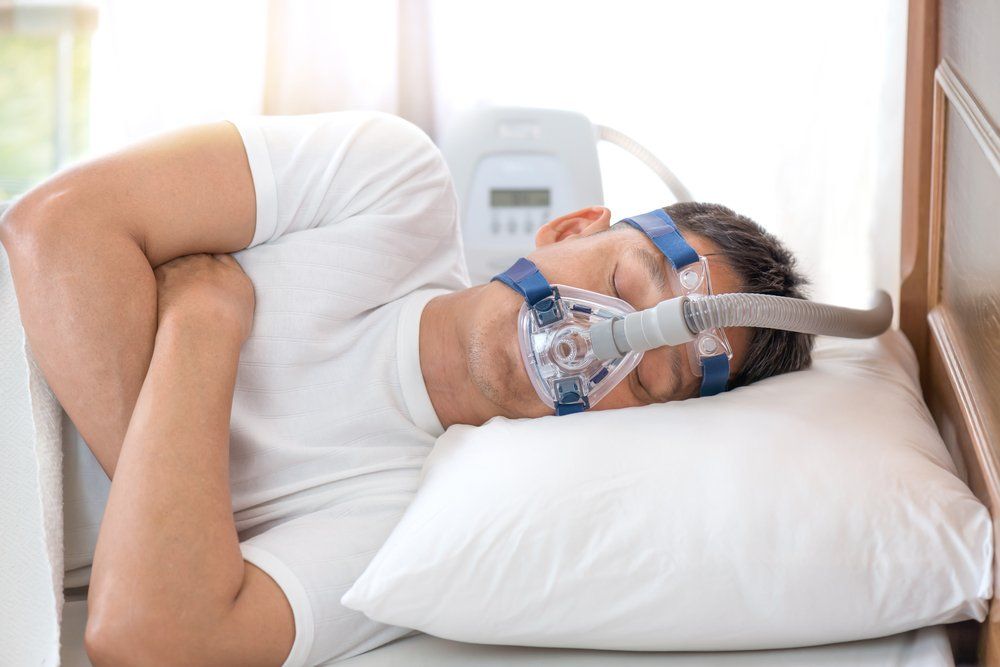
A CPAP, or continuous positive airway pressure device, applies a minor amount of air pressure all night, keeping your airway open and ensuring that you continue to breathe throughout the night. You will need to use your CPAP machine every night in order to maximize the benefits.
3. Try an oral appliance used to treat sleep apnea.
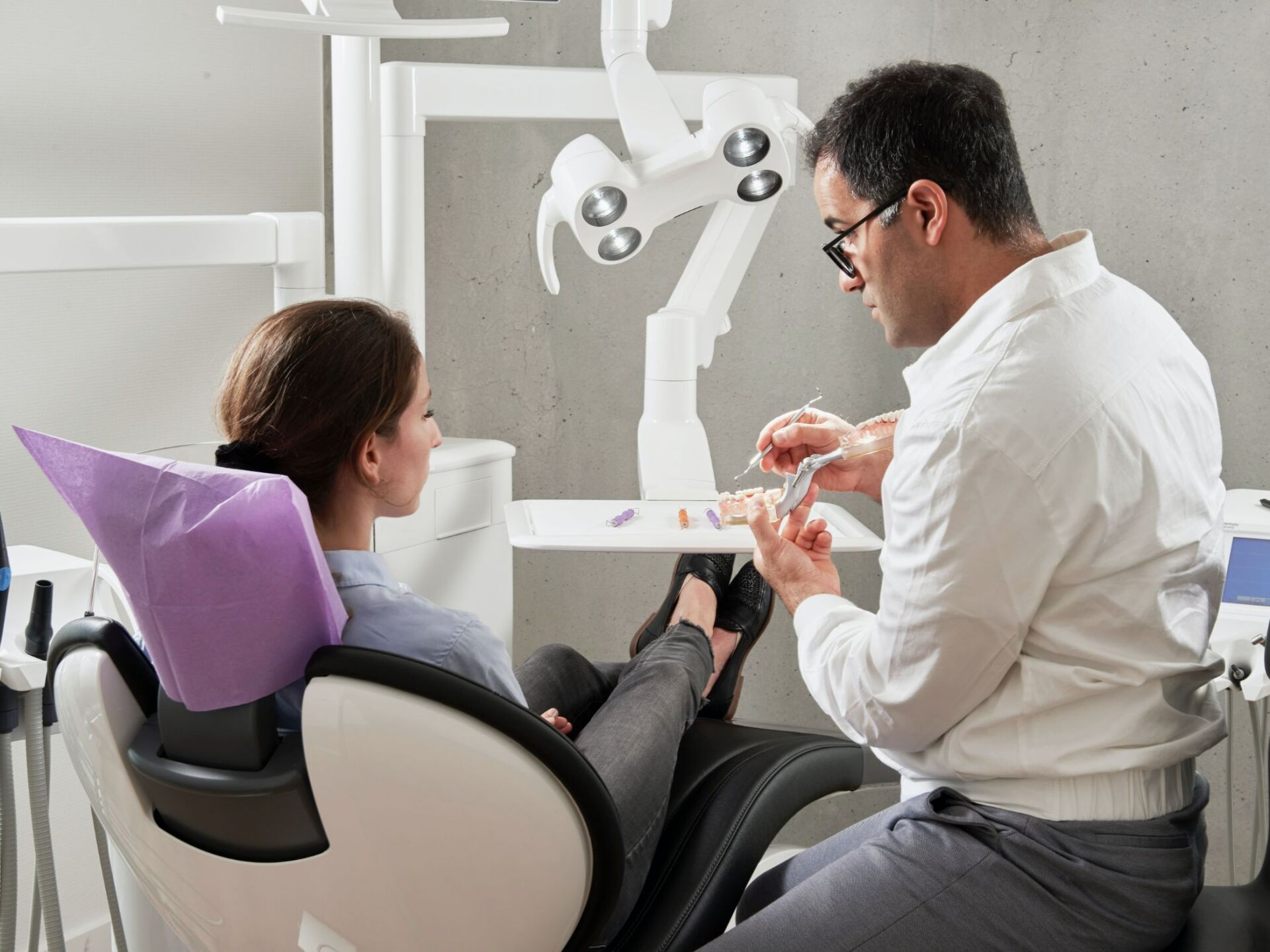
For patients with Mild and Moderate OSA, a dental device known as an oral appliance, or Mandibular Advancement Device, may be as effective as CPAP to alleviate symptoms of sleep apnea without the use of a CPAP machine, which may prove disruptive to some patients' sleep.
Getting a good night's sleep is critical to your overall health. If you have been diagnosed with mild or moderate obstructive sleep apnea and cannot tolerate a CPAP, or would simply prefer the convenience of an oral appliance, a dental specialist can help determine whether your symptoms can be treated by the use of a mandibular advancement device. Dr. Katherine Phillips is board-certified by the American Board of Dental Sleep Medicine and dedicates her practice to the treatment of these issues.
Contact us today to learn more about your options for treatment of mild to moderate sleep apnea using oral appliances.
Contact Us Today For A Consultation!
Contact Us

Read more blogs from REstore TMJ: