-2700x842-1920w.png)




Noticing Sleep Apnea Warning Signs

Do you think you would know if you stopped breathing while you were asleep? The fact is, many people stop breathing during their sleep and even briefly wake to restore their breathing without even remembering the incident that occurred. Up to 22 million people in the US suffer from obstructive sleep apnea (OSA). While the condition is often associated with overweight, middle-aged men, women, and children can have OSA too.
Obstructive sleep apnea is the most common sleep-related breathing disorder. It causes the airways to collapse or become blocked while you sleep, causing you to stop breathing for 20 or 30 seconds at a time numerous times throughout the night. While you might not think it's affecting you, OSA can prevent you from getting restorative sleep. It can also increase the risk of several diseases, including high blood pressure, stroke, heart disease, diabetes, temporomandibular joint disorder, and some headache syndromes.
Unfortunately, many people with sleep apnea don't know they have it. That's why it's important to learn the symptoms and determine whether they apply to you or someone in your family.
Signs You Might Have Sleep Apnea
It can be difficult to recognize the signs of sleep apnea since they occur when you're sleeping. Most often, OSA sufferers wake so briefly that they have no memory of the occurrence. In fact, it may be easier for a spouse or family member to recognize your OSA symptoms than for you to note them yourself. If you feel inexplicably drowsy during the day or have other reasons to suspect you have OSA, watch for these warning signs.
- Loud Snoring: When your airway is partially obstructed, air can't move smoothly past blockages, resulting in loud snoring. However, it's important to note that not all snorers have OSA and some apnea sufferers don't snore.
- Very sore or Dry Throat upon Waking: When an OSA episode occurs, you stop breathing. Apnea often causes you to breathe through your mouth to ensure you get enough oxygen, causing your throat to get dry and sore.
- Dry mouth: This is also caused by mouth breathing related to oxygen intake. You may keep water at your bedside or wake frequently with a dry mouth.
- Occasionally Waking with a Choking or Gasping Sensation: OSA episodes cause you to stop breathing, which makes your brain restart your breathing with a loud snore or gasp. This may occur many times without you realizing it.
- Restless sleep, repeated awakenings, or insomnia: Waking from an OSA episode is usually only long enough to open the throat and begin breathing again. This means OSA sufferers may simply think they don't sleep well or are restless sleepers.
- Sleepiness or lack of energy during the day, even after a full night's sleep: Fatigue is the most common sign of sleep apnea. Moderate to severe OSA can cause you to stop breathing hundreds of times each night without knowing it. The result is fatigue with no explanation,
- Sleepiness while Driving: When you suffer from chronic fatigue from lack of sleep, non-stimulative actions like driving can lull the body into sleep.
- Morning Headaches: Possibly related to poor sleep or a lack of oxygen, some OSA sufferers wake with headaches frequently.
- Forgetfulness, Mood Swings, and a Loss of Interest in Sex: Fatigue is directly related to brain fog, irritability, low energy, and depressive symptoms. Sleep quality and quantity also directly affect testosterone levels.
- Dizziness upon Waking: This could be linked to low oxygen levels from repeated OSA episodes during the night. A 2017 study even linked sleep apnea with higher occurrences of vertigo.
- Nightmares: Although studies are contradictory, it's possible that sleep apnea causes nightmares. This could be an effect of the brain recognizing the real threat of being unable to breathe while sleeping.
Risk Factors for Having Sleep Apnea
Anyone can have sleep apnea, and the direct cause isn't always recognized. However, there are certain risk factors that could make you more likely to suffer from OSA. These risk factors are most commonly associated with sleep apnea.
- Excess Weight: Excess weight can create fat deposits in your neck. When your body relaxes during sleep these deposits can block your upper airway and restrict breathing.
- Older Age: As you age, your body structure changes. When changes occur surrounding the neck and throat, sleep apnea can worsen.
- Narrowed Airway: If your airways are narrowed due to a medical condition or large tonsils and adenoids, your airway can be easier to restrict during sleep. The issues will be less noticeable while standing.
- High Blood Pressure: Hypertension may be caused by sleep apnea. When you periodically stop breathing in your sleep, your body releases stress hormones that raise blood pressure.
- Chronic Nasal Congestion: Nasal breathing offers benefits over mouth breathing like increased lung expansion. OSA occurs more frequently in patients with chronic nasal congestion.
- Smoking: Smoking can increase inflammation and fluid retention in the upper airway. These obstructions could lead to sleep apnea when the body is relaxed.
- Diabetes: Risk factors for type 2 diabetes and OSA are similar. Additionally, the increase in carbon dioxide levels related to OSA episodes can cause insulin resistance, leading to worsening diabetes symptoms.
- Sex: Men are twice as likely as women to have sleep apnea. However, they are diagnosed nearly 8 times more than women, making OSA harder to recognize in women.
- Family History of Sleep Apnea: Your family genes could make you more likely to have sleep apnea. In fact, research suggests that OSA is 40% attributable to genetics.
- Asthma: Individuals who suffer from asthma have an increased risk for OSA. This could be related to airway inflammation caused by asthma.
When Should You See a Doctor?
Sleep apnea is more than an aggravating condition that disrupts your sleep. It can lead to a variety of serious health problems and undermine your quality of life. Whether you're the one who recognizes your symptoms, or a partner or roommate alerts you to these issues, it's essential to see a doctor if you experience these warning signs.
- Snoring loud enough to disturb your sleep or that of others is often a symptom recognized by others living in your home. While not all snorers have OSA, loud snoring is a warning sign that you're struggling to get air through obstructions.
- Waking up gasping or choking is your brain's way of forcing you to start breathing again. You may only remember this occurring occasionally.
- Pausing in your breathing during sleep is usually a symptom noticed by a spouse or partner. Most OSA sufferers have no memory of episodes.
- Having excessive daytime drowsiness which may cause you to fall asleep while working, watching TV, or even while driving may be easily written off to stress or too much work. However, it shouldn't be a common occurrence when you get a normal amount of sleep.
If you have the symptoms of sleep apnea, it's important to seek diagnosis and treatment. Dr. Katherine S. Phillips is board-certified by the American Board of Dental Sleep Medicine and works closely with sleep medicine physicians and other medical specialists to treat OSA. Dr. Phillips creates individualized treatment plans that include
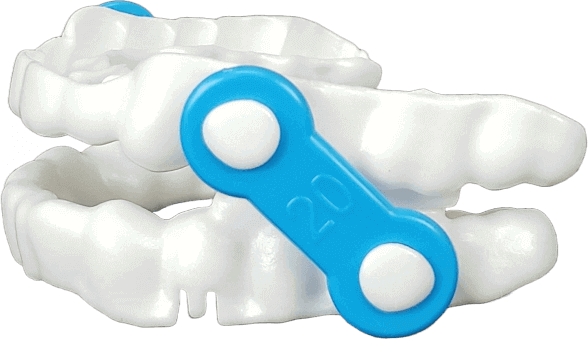
customized oral appliances worn during sleep to help patients diagnosed with OSA who cannot tolerate CPAP or who prefer the convenience of a mandibular advancement device. OSA is a dangerous condition that can severely impact your life, learn more about how you can get relief by contacting REstore today.
Contact Us Today For A Consultation!
Contact Us

Read more blogs from REstore TMJ: