-2700x842-1920w.png)




Botox vs. Traditional Methods for Treating TMJ Disorders: Which is Right for You?

TMJ disorders can cause persistent pain and dysfunction that affect how you eat, speak, and sleep, and they rarely resolve on their own. Treating them early helps prevent worsening muscle tension, inflammation, and joint strain. Both traditional therapies and therapeutic Botox are effective approaches, but the right option depends on factors such as your diagnosis, comfort level, treatment goals, and lifestyle. Ultimately, the best treatment is one you can maintain consistently under the care of a TMJ specialist with advanced expertise in orofacial pain and comprehensive therapy.
Traditional treatment may be right for you:
- As a firstline, conservative approach.
- If you want to avoid injections or medication.
- If you’re focused on long-term joint stability and rehabilitation.
Therapeutic Botox may be right for you if:
- You’ve tried other treatments with limited relief
- Your symptoms are primarily muscle-related (clenching, grinding, tension headaches)
- You’re seeking alternative, nonsurgical options for chronic or flare-up pain
At
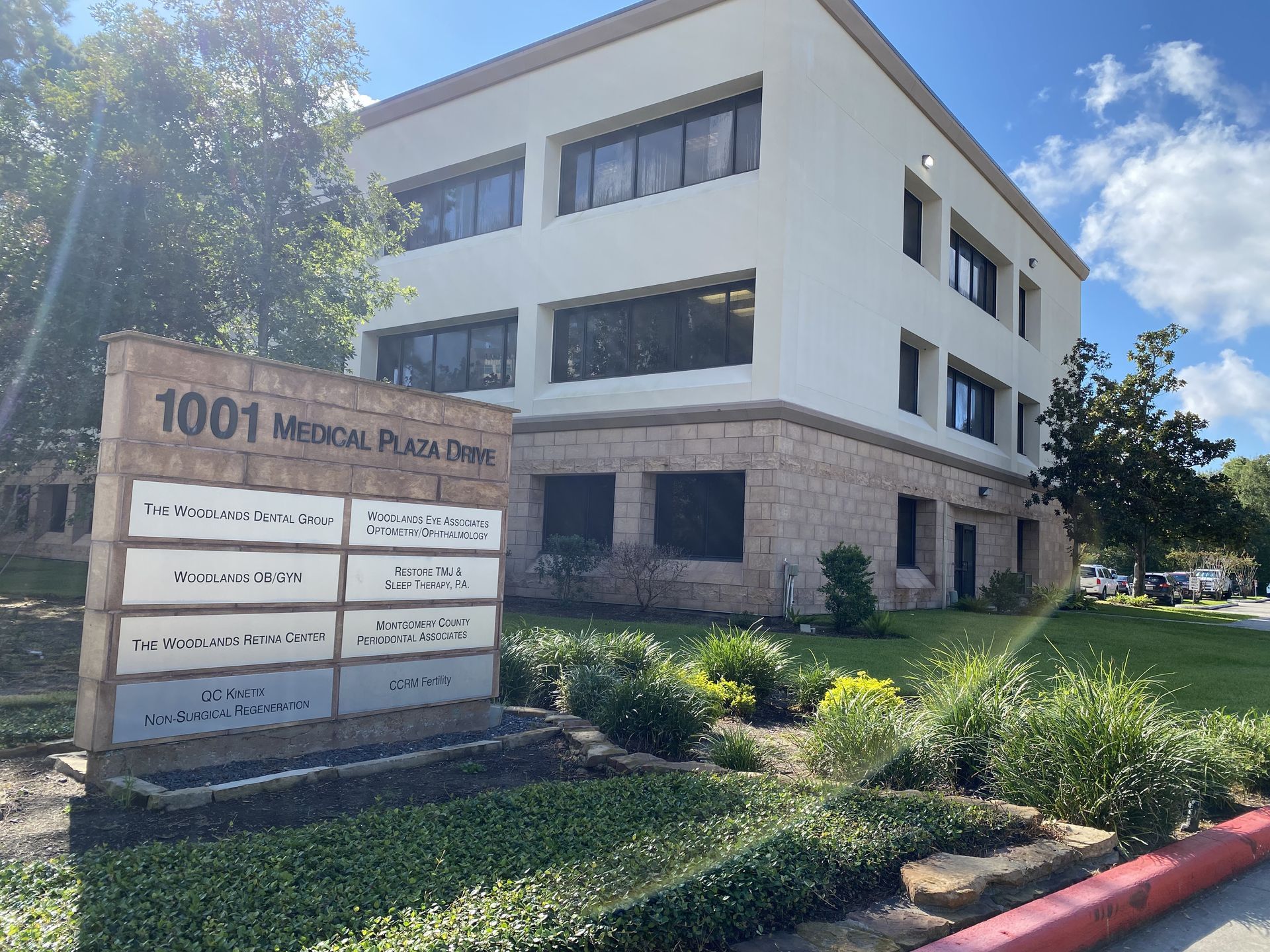
Restore TMJ & Sleep Therapy in The Woodlands, patients receive care from a team uniquely qualified to diagnose and treat the full spectrum of TMJ disorders. Led by
Dr. Katherine S. Phillips and
Dr. YC Joseph FischerHahm—both board-certified in
orofacial pain—our practice combines advanced imaging, evidence-based therapies, and extensive clinical experience to address the root causes of jaw pain and dysfunction. From conservative treatments and oral appliance therapy to cutting-edge options like therapeutic Botox and regenerative approaches, we deliver comprehensive, personalized solutions designed to restore balance, comfort, and lasting relief.
Why TMJ Disorders Require Treatment
The temporomandibular joint (TMJ) is one of the most complex joints in the body, connecting the lower jaw to the skull through a delicate system of muscles, tendons, ligaments, and nerves. It plays a vital role in nearly every oral function, including chewing, speaking, laughing, and even breathing. Because it’s used so frequently, even minor imbalances or strain can lead to significant discomfort and dysfunction.
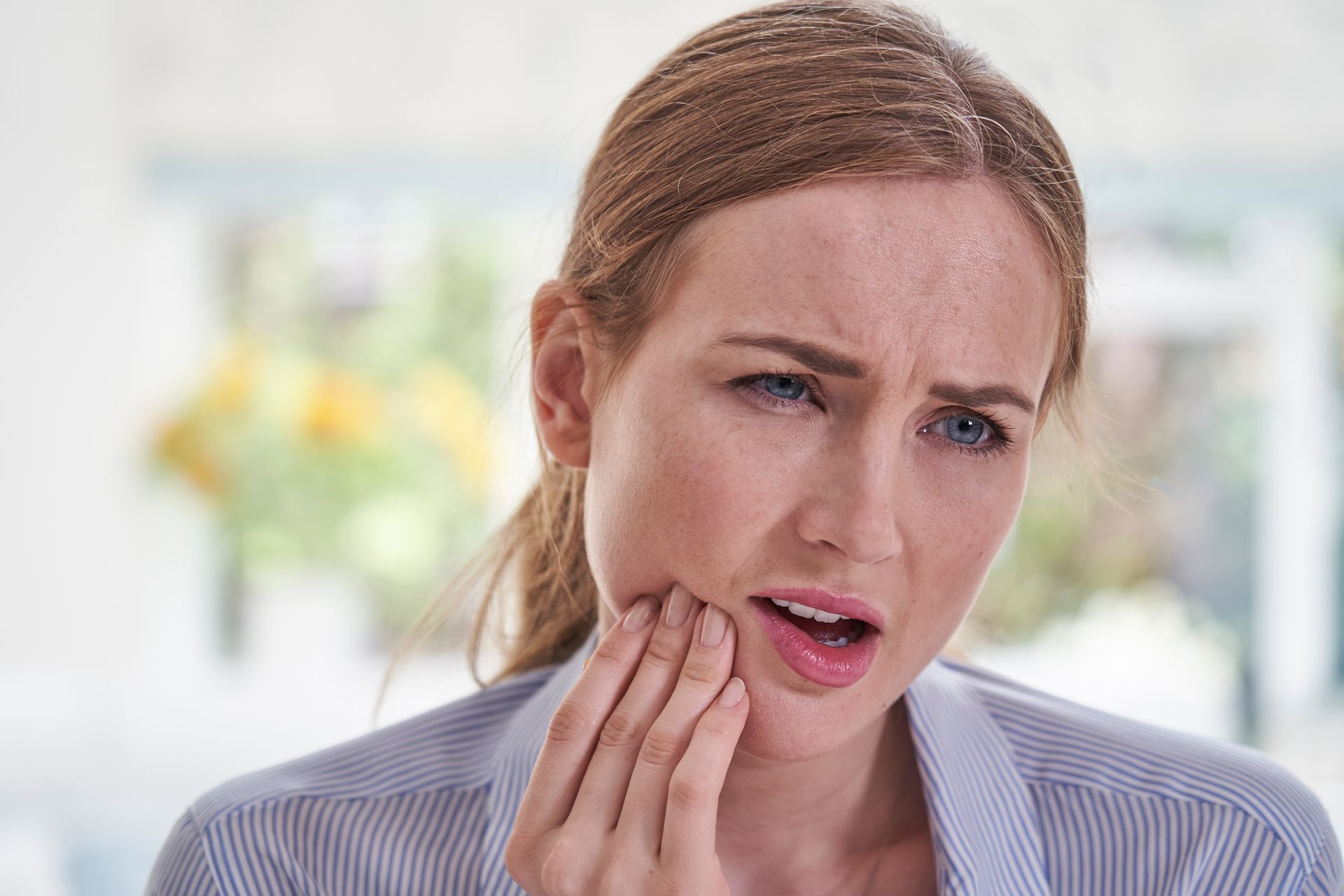
TMJ disorders (TMD) can develop for many reasons, including stress, trauma, arthritis, bite misalignment, or chronic habits such as clenching and grinding. Symptoms can vary from clicking or popping sounds when opening the mouth to jaw stiffness, headaches, neck pain, or ear pressure that patients may not realize are connected to the jaw.
When
left untreated, these disruptions can interfere with daily activities and overall well-being, affecting everything from nutrition and communication to sleep quality. Over time, the persistent cycle of muscle tension, inflammation, and joint stress can intensify, making early evaluation and treatment essential for restoring comfort, function, and long-term oral health.
Traditional TMJ Treatments: What Most Providers Recommend First
For decades, TMJ care has centered on conservative, low-risk approaches designed to alleviate strain, promote healing, and restore natural function. These first-line therapies remain effective for many patients, particularly when implemented early.
Oral Appliance Therapy
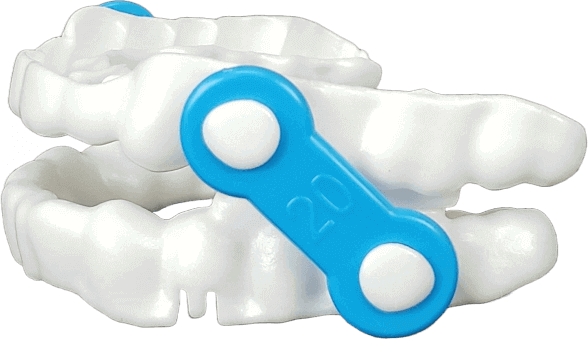
Custom oral appliances, such as nightguards, are often the cornerstone of initial treatment. Worn during sleep, they help minimize teeth grinding and jaw clenching, reducing strain on the joint and surrounding muscles. Because they are tailored to the patient’s unique bite and anatomy, professionally fitted appliances can significantly ease tension and discomfort—often within just a few weeks.
Physical Therapy
TMJ-focused physical therapy extends beyond jaw exercises. It addresses the interconnected muscle groups of the head, neck, and shoulders to restore balanced function. Treatment may include stretching, massage, and gentle modalities such as ultrasound to relax overactive muscles and retrain natural movement patterns. By improving mobility and awareness, physical therapy supports long-term joint stability and comfort.
Stress Management and Lifestyle Adjustments
Emotional and physical stress frequently contribute to TMJ symptoms. Techniques such as yoga, meditation, and controlled breathing can reduce subconscious clenching and promote muscle relaxation. Simple adjustments—like eating softer foods, avoiding gum, or being mindful about limiting extreme jaw movements—can also help prevent flare-ups and protect the joint.
Therapeutic Botox: A Modern, Science-Backed Approach to Treating TMJ Disorders
In recent years, therapeutic Botox has emerged as one of the most innovative and effective solutions for persistent TMJ pain. Originally developed for neurological and cosmetic applications, Botox has been extensively studied for its ability to reduce chronic muscle tension, one of the primary drivers of TMJ discomfort.
When carefully injected into overactive jaw muscles such as the masseter and temporalis, Botox blocks the nerve signals that trigger excessive contraction. This allows the muscles to relax, easing pressure on the TMJ and nearby nerves. The result is a significant reduction in pain, inflammation, and referred symptoms like headaches or facial tightness.
The procedure itself is quick and minimally invasive, typically completed in under 15 minutes. Most patients begin to notice improvement within several days, with full relief developing over the next one to two weeks. Results generally last around three to four months, and repeated sessions can help train the muscles to maintain a more natural, relaxed state over time.
Comparing TMD Treatment Options: Botox vs. Traditional Methods
Each patient’s experience with TMJ pain is unique, and the best treatment plan depends on the underlying causes, severity, and personal goals. Both traditional and modern methods like Botox have distinct benefits.
Here’s how they compare in:
Relief Timelines.
- Traditional methods take time. Conventional treatments, such as oral appliances and physical therapy, take a gradual approach to retraining the jaw and building lasting joint health.
- Botox often provides faster relief—sometimes within days—making it particularly valuable for cases unresponsive to other therapies.
Cost and Coverage.
- Traditional treatments like appliance therapy and physical rehabilitation are often covered at least in part by dental or medical insurance.
- Botox may not be routinely covered unless deemed medically necessary, though many patients find the investment worthwhile for the rapid and reliable reduction in pain.
Duration of Results.
- Traditional treatments can deliver sustainable improvements when maintained consistently. They may take longer but they often lead to better results over time.
- Botox provides shorter-term relief and requires repeated treatments. However, for some people, it’s worth it for the reduction in pain and tension and the results, while temporary, can complement other approaches by breaking cycles of muscle overactivity and allowing other treatments to work more effectively.
Safety and Side Effects.
- Traditional treatments are well-established and safe under professional care, though oral appliances may cause mild initial soreness
- Botox is considered safe when administered by qualified professionals. Minor side effects can include bruising, swelling, or temporary muscle weakness, and serious complications are very rare, particularly when treatment is performed by a qualified specialist with expertise in facial anatomy and orofacial pain.
Personalization and Fit.
- Traditional treatments might be better if you want to avoid injections, prefer long-term rehabilitation, or need more options covered by insurance.
- Botox may be ideal if you’ve already tried the basics and still have pain, or if your TMJ is strongly tied to activity like teeth grinding or clenching that’s hard to control otherwise.
Botox vs Traditional Treatment Methods for TMD: Choosing the Right Path Forward
Determining the best treatment for your TMJ disorder is less about finding a single “right” answer and more about developing a customized plan that fits your diagnosis, lifestyle, and comfort level. In many cases, the most effective care plan combines multiple and comprehensive approaches, addressing the muscular tension to facilitate healing and stability.
A comprehensive evaluation from an orofacial pain specialist is the first step in finding the best solution for you. Using advanced imaging and detailed functional analysis, your provider can identify whether your pain stems primarily from muscular tension, joint misalignment, or a combination of factors. From there, they can design a personalized treatment plan that supports lasting improvement and helps prevent recurrence.
Find Lasting Relief from Your TMJ Disorder with Restore TMJ & Sleep Therapy
At Restore TMJ and Sleep Therapy, our approach goes beyond symptom relief. Led by Dr. Katherine S. Phillips and Dr. YC Joseph FischerHahm, both board-certified in orofacial pain, our team integrates advanced imaging, evidence-based therapies, and minimally invasive treatments like therapeutic Botox to address the true source of each patient’s discomfort.
By blending innovation with precision and compassion, we help patients achieve lasting relief, improved function, and a better quality of life. Whether you’re exploring your first treatment or seeking a solution after years of persistent pain, our specialists are here to guide you through a thoughtful, science-driven approach designed for lasting results.
If you’re ready to take the next step toward a pain-free life, schedule a consultation today with Restore TMJ & Sleep Therapy in The Woodlands.
Contact Us Today For A Consultation!
Contact Us

Read more blogs from REstore TMJ: