-2700x842-1920w.png)




Side Effects of Oral Appliance Therapy: What You Should Know
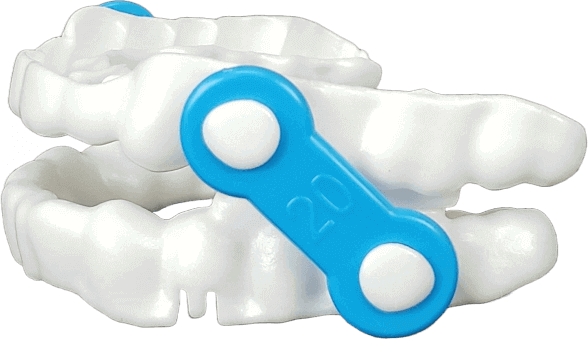
Oral appliance therapy has become one of the most trusted, conservative treatments for temporomandibular joint (TMJ) disorders and related orofacial pain. These custom-made devices are designed to gently reposition the jaw, relieve muscle strain, and reduce pressure on the joint, particularly while you sleep. When properly fitted and monitored by an experienced TMJ specialist, they can dramatically improve jaw comfort, stability, and function without the need for surgery or long-term medication. However, like any therapy, oral appliances can take a little time to adjust to, and mild side effects are possible. The key is understanding what’s normal, what’s manageable, and why expert follow-up matters.
At Restore TMJ & Sleep Therapy, oral appliance therapy is led by Dr. Katherine S. Phillips, a nationally recognized authority in orofacial pain and dental sleep medicine, and Dr. YC Joseph FischerHahm, an expert in TMJ disorders and airway health. Dr. Phillips is one of few providers to hold dual certifications and Fellowship status in the American Academy of Orofacial Pain and has dedicated her career to advancing the science and precision of oral appliance therapy. Together, she and Dr. FischerHahm bring a comprehensive, interdisciplinary approach to care, developing personalized treatment plans tailored to each patient’s unique anatomy, diagnosis, and lifestyle and delivering more than 8,000 appliances. Their meticulous process not only enhances comfort and long-term results but also helps minimize, manage, and prevent potential side effects, ensuring your treatment is both safe and effective.
Oral Appliance Therapy: The Gold Standard for Treating TMJ Disorders
For decades, oral appliance therapy has been a cornerstone of conservative TMJ care. Its roots in dentistry and sleep medicine go back to the 1980s, and today it’s supported by a strong body of clinical evidence for improving jaw function, reducing pain, and managing conditions like bruxism and obstructive sleep apnea. Studies have shown that properly fitted stabilization or mandibular advancement devices can reduce muscle hyperactivity, redistribute joint load, and protect teeth from excessive wear, all while allowing the jaw to heal in a more physiologic position.
Compared to surgery or medication-based treatment, oral appliance therapy stands out for its safety, reversibility, and adaptability. Each appliance is customized to the patient’s anatomy and symptoms, allowing fine adjustments that relieve stress on the joint and supporting muscles. With consistent use and professional oversight, most patients experience meaningful symptom relief within weeks to months.
Several factors make oral appliance therapy the preferred option for many patients:
It’s noninvasive and reversible. Because the appliance simply rests over the teeth and guides the jaw, no surgery or permanent structural change is required. Adjustments can be made easily, and the device can be discontinued if needed.
It’s highly customized. No two jaws are alike, and no two appliances should be either. Each device is carefully fabricated and adjusted to promote optimal comfort and balance. This precision is critical for both results and long-term safety.
It’s conservative but effective. Oral appliances often provide significant relief from TMJ pain, clenching, and grinding while preserving the natural joint structure. They can also improve breathing patterns in patients with airway-related disorders.
It complements other therapies. Oral appliance therapy works best as part of a comprehensive treatment plan that may include physical therapy, muscle relaxation, or behavioral stress management, addressing both the mechanical and functional aspects of TMJ disorders.
Ultimately, oral appliance therapy’s strength lies in its flexibility. It can stand alone as an early-stage treatment or integrate seamlessly into a broader, multidisciplinary plan aimed at long-term joint health.
The Potential Side Effects of Oral Appliance Therapy
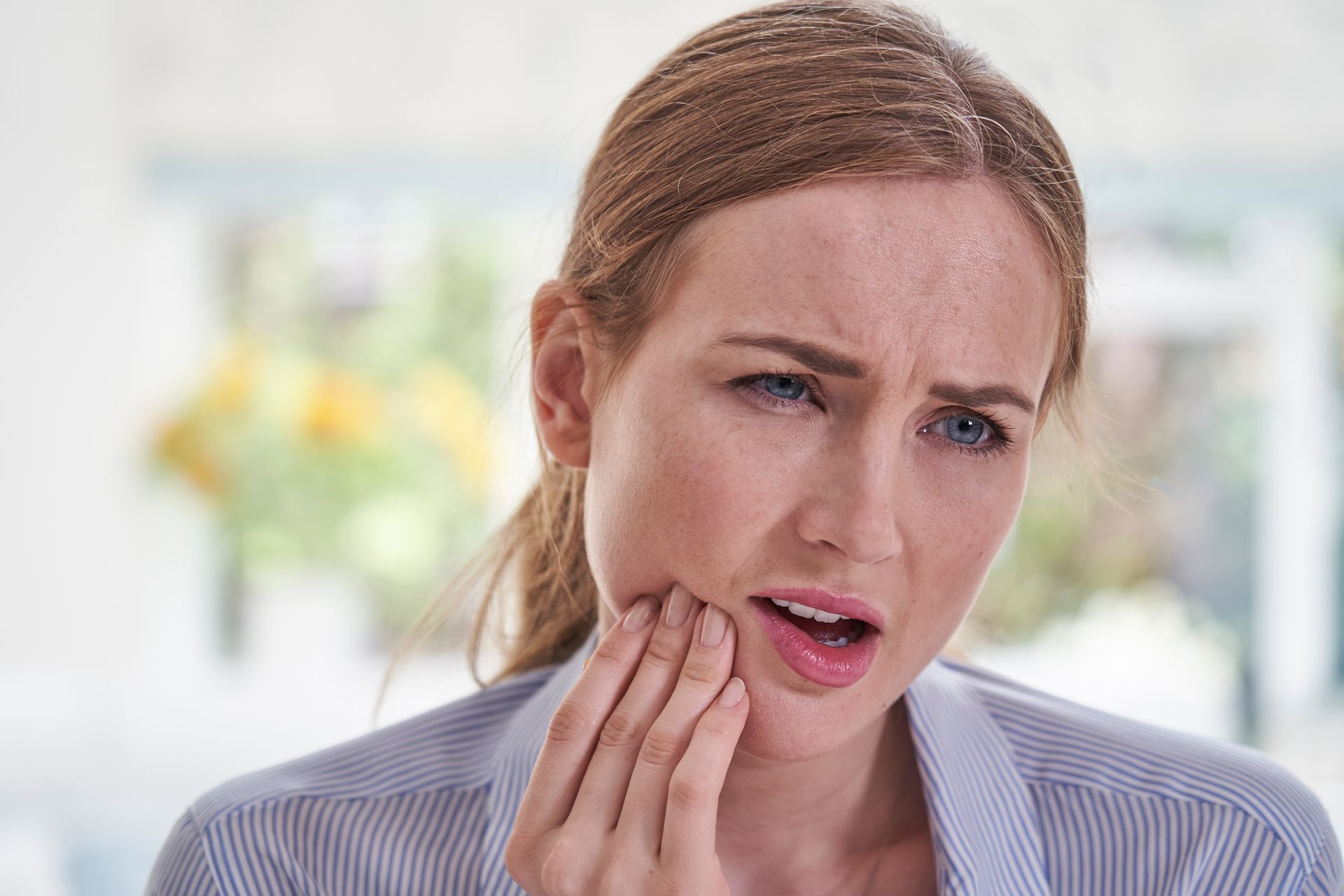
Most patients tolerate oral appliance therapy extremely well, but mild and temporary side effects can occur as the jaw, teeth, and muscles adapt to their new position. These early changes rarely indicate a problem, and in most cases, they reflect the body’s natural process of finding a new, more balanced position. They are typically short-lived and can be easily managed with guidance from a knowledgeable provider.
Common, short-term side effects may include:
Jaw soreness or stiffness.
As muscles and ligaments adjust to a new resting posture, mild soreness may develop. This usually resolves within a few days or weeks and is often a sign of normal adaptation.
Bite or tooth contact changes.
Some patients notice their bite feels “off” after removing the appliance in the morning. This sensation is typically temporary and fades as tissues relax.
Dry mouth or excess saliva.
Changes in oral posture can briefly alter salivary flow. These symptoms can be minimized with small fit adjustments or hydration strategies.
Muscle tension.
The muscles around the jaw, neck, or temples may feel tight initially, especially if clenching or bruxism was present before treatment. This generally improves with continued use and supportive therapy.
Occasionally
with long-term use, subtle changes in the way teeth meet (occlusion) may occur.
Research shows these shifts are typically small—often less than a millimeter—and don’t cause functional problems when therapy is managed properly. Persistent discomfort or significant bite change is uncommon and can often be corrected through appliance adjustments or the use of a short “morning aligner” that helps the jaw reset after nighttime wear.
In very rare cases, patients may experience joint tenderness, limited movement, or dental irritation. These effects are almost always linked to poor fit, inadequate monitoring, or lack of follow-up, factors that are preventable when treatment is overseen by an experienced TMJ specialist.
Managing and Minimizing the Potential Side Effects of Oral Appliance Therapy
The purpose of an oral appliance is to gently guide the jaw into a healthier, more stable position. That shift naturally requires adaptation. The joints and muscles have long been functioning in a pattern that may not be ideal, and introducing a better alignment takes time for the body to integrate.
An experienced provider manages this process through careful design, progressive adjustments, and consistent follow-up. Minor side effects are monitored and addressed early, preventing them from developing into discomfort or long-term changes, and regular check-ins allow your provider to fine-tune the fit, evaluate bite alignment, and assess muscle balance as your therapy progresses. With professional oversight, oral appliance therapy remains a safe and adaptable tool, even when early side effects appear.
If or when small issues do arise during the course of your oral appliance therapy, they can typically be resolved through:
- Appliance adjustments to reduce pressure points or improve jaw balance.
- Therapeutic exercises or stretching to relieve muscle tension.
- Moisture control or fit modifications for dry mouth or saliva issues.
- Morning realignment devices or guided bite exercises to reset occlusion.
When Oral Appliance Therapy isn’t the Whole Answer
Successful TMJ treatment rarely relies on a single modality. Oral appliance therapy works best when it’s part of a broader plan that considers how the jaw, muscles, nerves, posture, and airway interact. This comprehensive approach not only enhances results but also reduces the likelihood of side effects.
Working with a clinician who understands the full spectrum of TMJ and sleep-related disorders ensures that every factor contributing to your discomfort is addressed, both structurally and functionally.
Depending on your diagnosis and symptoms, adjunctive therapies may include:
- Physical therapy or myofunctional therapy to strengthen and balance jaw movement.
- Trigger-point or Botox® injections for chronic muscle tension.
- Airway and sleep evaluations if snoring or obstructive sleep apnea are contributing factors.
- Stress management and behavioral strategies to reduce bruxism or jaw clenching.
The Importance of Expertise for Your Oral Appliance Therapy
The success of oral appliance therapy depends as much on the provider as the device itself. With more than a decade of dedicated experience in orofacial pain and sleep-disordered breathing, Dr. Katherine S. Phillips of Restore TMJ & Sleep Therapy has built her career around the precise use of oral appliance therapy. She is board-certified by both the American Board of Orofacial Pain and the American Board of Dental Sleep Medicine, credentials that reflect her advanced training and interdisciplinary approach, and her Fellowship in the American Academy of Orofacial Pain (AAOP)—one of the highest professional distinctions in the field—recognizes her as a clinician at the forefront of research, education, and clinical excellence.
Dr. Phillips’ work on oral appliance therapy combines a deep understanding of biomechanics, airway dynamics, and muscle physiology with the latest diagnostic and treatment technologies. She has treated thousands of patients with TMJ disorders, bruxism, and sleep-related conditions, customizing each appliance for precise function and long-term comfort. Through her leadership in professional organizations, research contributions, and clinical mentorship, she continues to shape the evolving standards of oral appliance therapy nationwide.
Moreover, her philosophy centers on collaboration—working closely with physicians, physical therapists, and other specialists to deliver truly comprehensive care. For patients, that means a treatment experience grounded in both science and compassion, where every decision is guided by evidence and every adjustment made with precision.
Trust Your Oral Appliance Therapy to the Experts at Restore TMJ & Sleep Therapy
Dr. Katherine Phillips and Dr. YC Joseph FischerHahm of Restore TMJ & Sleep Therapy in The Woodlands are two of the region’s foremost experts in TMJ and dental sleep medicine. Both are board-certified specialists with extensive experience diagnosing and managing complex jaw and sleep-related conditions using oral appliance therapy, and their combined expertise in orofacial pain, airway management, and occlusal function allows them to craft treatment plans that are highly individualized, data-driven, and grounded in the latest research.
At Restore TMJ & Sleep Therapy, every aspect of care is guided by a comprehensive, evidence-based approach. Dr. Phillips and Dr. FischerHahm focus on treating the whole system—the joints, muscles, and airway—so your therapy is as safe, effective, and comfortable as possible. Their hands-on, closely monitored process helps minimize and manage any side effects while ensuring your appliance delivers lasting relief and stability.
If you’ve been suffering from TMJ pain, schedule your consultation today with Restore TMJ & Sleep Therapy and experience expert-guided oral appliance therapy designed for lasting comfort, balance, and better quality of life.
Contact Us Today For A Consultation!
Contact Us

Read more blogs from REstore TMJ: