-2700x842-1920w.png)




Oral Appliance vs. CPAP for Obstructive Sleep Apnea: Which Is Right for You?
Both CPAP and oral appliance therapy are proven treatments for obstructive sleep apnea (OSA). The right choice depends on your diagnosis, comfort level, lifestyle, and how well you can maintain treatment long term. The most effective option is the one you’ll actually use consistently, and finding that balance requires guidance from an experienced dental sleep specialist with deep expertise in oral appliance and combination therapy. These providers can evaluate your airway, bite, and sleep patterns to develop a personalized plan that supports lasting, healthy sleep.
CPAP may be right for you if:
- You have moderate to severe OSA
- You’re comfortable sleeping with a mask and tubing
- You have underlying heart or respiratory concerns
Oral appliance therapy may be right for you if:
- You have mild to moderate OSA or struggle with CPAP
- You prefer a quiet, portable, mask-free solution
- You have TMJ discomfort, bruxism, or travel frequently
At Restore TMJ & Sleep Therapy in The Woodlands, we treat obstructive sleep apnea (OSA) by addressing its root causes, not just the symptoms. Led by Dr. Katherine Phillips, who is board-certified in dental sleep medicine, the past president of the American Board of Dental Sleep, and a respected expert in the field of dental sleep medicine, and Dr. Y.C. Joseph FischerHahm, a Diplomate of the American Board of Dental Sleep Medicine and the American Sleep and Breathing Academy, our team provides advanced, customized care for OSA and other dental sleep disorders. Using detailed imaging and airway evaluation, we design personalized plans that may include oral appliance therapy, CPAP, or combination therapy for optimal comfort and effectiveness, so you can start sleeping—and feeling—better.
Both CPAP and oral appliance therapies have their place as proven treatments for OSA, and depending on your symptoms, preferences, and lifestyle, one might make more sense for you than the other. Here is a closer look at how they work, and how to decide which one might be right for you.
What is Obstructive Sleep Apnea?
Obstructive sleep apnea (OSA) occurs when the airway becomes partially or completely blocked during sleep, most often because the soft tissues in the back of the throat relax too much. These pauses in breathing can happen many times throughout the night, disrupting normal sleep patterns and oxygen flow.
People with sleep apnea may snore loudly, wake up gasping for air, or feel extremely tired during the day, even after a full night’s rest. Many people also experience dry mouth, morning headaches, difficulty concentrating, irritability, or mood changes. In some cases, sleep apnea can even affect a partner’s sleep due to loud snoring or frequent movement.
Left untreated, sleep apnea can contribute to serious health risks such as high blood pressure, heart disease, stroke, type 2 diabetes, and depression. It can also make weight management more difficult and increase the risk of accidents caused by daytime fatigue.
Because of these risks, it’s important to seek an effective treatment—and to stay consistent with it—to
restore healthy sleep and protect your long-term well-being.
Traditional CPAP Therapy for Treating OSA
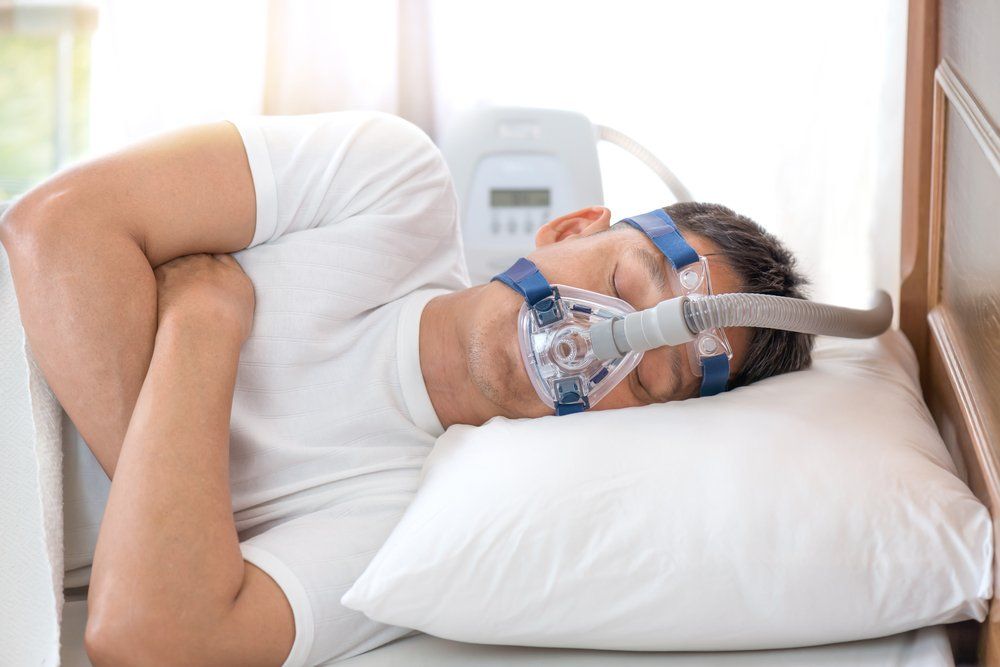
Continuous Positive Airway Pressure, or CPAP, has long been considered the standard treatment for obstructive sleep apnea, and it’s usually the first option doctors recommend, especially for patients with moderate to severe symptoms. The concept is simple yet effective: a gentle, steady stream of air delivered through a mask keeps your airway open while you sleep, preventing pauses in breathing and restoring healthy oxygen flow throughout the night.
A CPAP system typically includes a small bedside machine connected to a mask via a flexible hose. The mask may fit over your nose, mouth, or both,whichever is most comfortable and effective for you. When used consistently and correctly, CPAP therapy can make a remarkable difference in sleep apnea symptoms; many patients notice improved sleep quality, greater daytime alertness, better concentration, and a lift in overall mood and energy.
CPAP therapy:
- Is highly effective for moderate to severe sleep apnea.
- Significantly reduces breathing interruptions during sleep.
- Improves daytime energy, concentration, and mood.
- May support heart health and lower blood pressure over time.
However, adapting to CPAP can take time, and long-term success depends on comfort and consistent use. Some patients find the mask confining or uncomfortable, or have trouble with the sound of the machine or the sensation of air pressure. These challenges are common, especially in the early weeks of treatment. It also requires regular cleaning and maintenance and can cause dryness, nasal congestion, or mild skin irritation.
While CPAP remains a trusted and proven treatment, it isn’t the best fit for everyone. With the right guidance, equipment adjustments, and support, most patients find a routine they can stick to, and when they do, the improvement in rest and quality of life is often significant. For patients who find the equipment difficult to tolerate or disruptive to their sleep, however, oral appliance therapy can be an excellent alternative, often providing comparable results in mild to moderate cases, with greater comfort and convenience.
Oral Appliance Therapy to Treat OSA
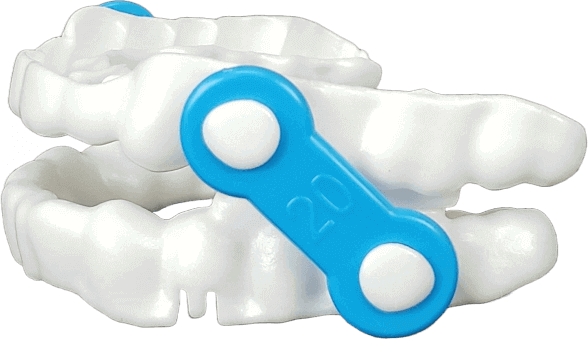
Oral appliance therapy is an effective, comfortable alternative to CPAP for many people with obstructive sleep apnea. Instead of relying on air pressure, this treatment uses a small, custom-made oral device worn during sleep. The appliance gently repositions the lower jaw and tongue slightly forward to help keep the airway open. This small adjustment can make a big difference by reducing snoring, minimizing breathing pauses, and promoting deeper, more restful sleep.
Oral appliance therapy involves more than simply wearing a mouthpiece. It’s a customized approach that begins with a thorough evaluation of your airway, bite, and jaw alignment. The appliance is then precisely fitted to ensure both comfort and effectiveness. In some cases, therapy may also include follow-up adjustments, bite balancing, or collaboration with other specialists to optimize results. For individuals who also experience jaw pain or teeth grinding (bruxism), an expertly designed oral appliance can help reduce tension and protect the jaw joints while improving airflow.
This type of therapy can be especially beneficial for those who find CPAP therapy difficult to tolerate. The mask, tubing, or machine noise of CPAP therapy can sometimes interfere with sleep or feel cumbersome, while oral appliances are quiet, portable, and easy to use. Without a machine or a mask, oral appliance therapy is also often easier for people who sleep on their stomachs or sides and, because many patients find they’re able to stick with treatment more consistently, oral appliance therapy also leads to better long-term compliance outcomes.
Because every mouth and airway are different, a custom-fit appliance made and monitored by a qualified sleep or dental professional is essential. With proper evaluation, fitting, and follow-up, oral appliance therapy can provide an effective and sustainable way to restore healthy breathing and improve overall sleep quality.
CPAP vs Oral Appliance Therapy: Which is Right for You?
Choosing between CPAP and oral appliance therapy isn’t always straightforward. The right approach depends on several factors, including the severity of your obstructive sleep apnea, your overall health, and how well you tolerate each treatment option. What’s most important is finding a solution that’s both effective and sustainable for you.
The first step toward that solution is a professional evaluation and sleep study, which provides a clear diagnosis and helps determine the best course of care. From there, an experienced dental sleep specialist can assess your airway, jaw position, and bite alignment to develop a customized treatment plan. Because sleep apnea often has multiple contributing factors—such as airway anatomy, tongue position, nasal obstruction, and jaw alignment—a comprehensive approach ensures that each of these elements is properly addressed.
For some patients, CPAP therapy remains the most effective option, particularly for more severe cases. For others, oral appliance therapy offers a comfortable, travel-friendly alternative that’s easier to maintain. Many patients also benefit from combination therapy, which may include using CPAP most nights and an oral appliance during travel, mild symptom periods, or when TMJ-related discomfort makes mask use difficult.
When developing the right OSA treatment solution for you, your provider should help you weigh considerations such as:
- The severity of your OSA, because CPAP is often preferred for more advanced cases.
- Your comfort and tolerance levels. If the mask or pressure makes sleep difficult, an oral appliance may be a better fit.
- Your lifestyle; frequent travelers often prefer the convenience of oral appliances.
- Your sleep position. Oral appliances can be especially effective for side or stomach sleepers.
- Any additional health concerns or conditions. Those with significant cardiac or respiratory concerns may benefit more from CPAP.
- Your consistency of use. The best treatment is the one you can use regularly and comfortably.
The ultimate goal of OSA treatment is to find a personalized, effective, and sustainable solution, one that supports healthy breathing, restorative sleep, and long-term well-being through expert evaluation and ongoing care.
Discover Your Options for Treating OSA at Restore TMJ and Sleep Therapy
At Restore TMJ & Sleep Therapy in The Woodlands, treatment for obstructive sleep apnea goes beyond symptom relief to focus on identifying and addressing the underlying causes of airway obstruction through customized, evidence-based care. Dr. Katherine Phillips has delivered more than 8,000 custom oral appliances and is double board-certified in Dental Sleep Medicine and Orofacial Pain. With advanced training and decades of experience, she specializes in treating the full spectrum of TMJ disorders, sleep-breathing conditions, and related pain. Her colleague, Dr. Y.C. Joseph FischerHahm, brings over 15 years of experience in integrative dental medicine and is a Diplomate of both the American Board of Dental Sleep Medicine and the American Sleep and Breathing Academy. Together, they provide patients with a depth of expertise that few practices can match.
Every treatment plan at Restore TMJ & Sleep Therapy is personalized and comprehensive. Using advanced imaging, airway evaluation, and jaw function analysis, our team designs care that fits each patient’s anatomy, lifestyle, and diagnosis. Treatment may include oral appliance therapy, CPAP, or combination therapy that integrates both approaches to improve comfort and adherence, and because we specialize in both airway and TMJ health, appliances are carefully designed to optimize breathing without aggravating jaw pain, bite issues, or bruxism. Patients also receive ongoing follow-up to ensure lasting results, appliances are adjusted and refined as needed to maintain comfort and effectiveness, and we can coordinate care with other medical providers when necessary.
Whether you’re seeking a CPAP alternative or a more complete solution for complex sleep and jaw issues, Restore TMJ & Sleep Therapy offers the expertise and individualized care to help you achieve lasting relief. Schedule your consultation today to take the first step toward healthier sleep and better overall well-being.
Contact Us Today For A Consultation!
Contact Us

Read more blogs from REstore TMJ: