-2700x842-1920w.png)




3 Reasons Why Patients Travel for Care From a TMJ Specialist
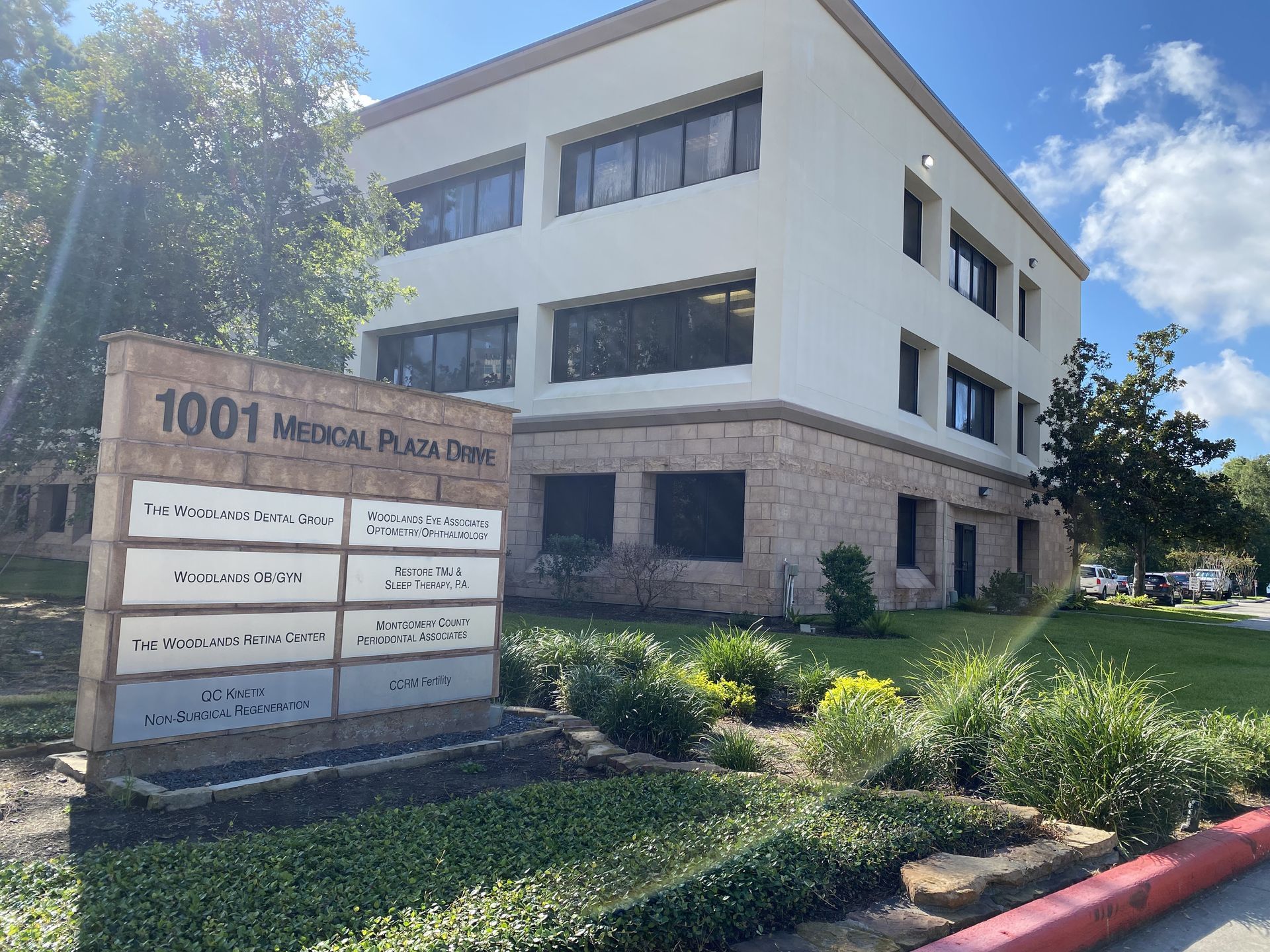
TMJ disorders are often complex, persistent conditions that don’t always respond to basic or the available treatment, leading many patients to look beyond their immediate area for more definitive answers and lasting relief. Rather than continuing with trial-and-error care, patients seek out specialists who can provide a clearer diagnosis, more comprehensive evaluation, and targeted treatment plan.
Here are 3 reasons why patients travel for care from a TMJ specialist:
- Complex, overlapping symptoms that are often misunderstood, making accurate diagnosis difficult from providers who lack experience with TMJ conditions.
- Limited local treatment options or incomplete results, whether due to failed care or lack of available resources.
- Access to advanced diagnostics and specialized expertise, allowing for more precise, effective treatment.
At
Restore TMJ & Sleep Therapy in The Woodlands,
Dr. Katherine S. Phillips has built a practice dedicated entirely to the diagnosis and treatment of TMJ disorders, orofacial pain, and sleep-disordered breathing, an uncommon level of focus that draws patients from well beyond the local area. With over a decade of experience treating complex cases, Fellowship status in the American Academy of Orofacial Pain, and board certification and leadership within the American Academy of Dental Sleep Medicine, Dr. Phillips offers the kind of specialized TMJ treatment expertise many patients struggle to find closer to home. Her team’s approach centers on comprehensive, data-driven evaluation and multi-modal treatment that addresses the root cause of symptoms, making Restore TMJ & Sleep Therapy a trusted destination for patients seeking clear answers and lasting relief.
The Reality of TMJ Care: Why Experience and Training Matter for Effective Treatment
One of the biggest challenges with TMJ disorders is that there is no single, universally recognized specialty for treating them. That means providers can vary widely in how they diagnose and manage TMJ-related conditions. Some may focus on bite adjustments, and others may rely on basic oral appliances or medication. While these approaches can help in certain cases,
they don’t always address the full picture.
TMJ disorders are complex and widely recognized as
conditions involving the joints, muscles, and nerves of the face and head, which is why symptoms often extend beyond the jaw itself. They often involve a combination of:
- Muscle tension in the face, head, and neck.
- Joint dysfunction and inflammation.
- Nerve pathways related to chronic pain.
- Bite alignment and functional movement.
- Airway and sleep-related issues.
Because of this, effective treatment requires more than a surface-level approach.
It requires a provider who understands how these systems interact and how to evaluate them together. Without that, care can become fragmented and inconsistent, and patients are left managing symptoms rather than resolving the underlying issue.
Reasons Why Patients Travel for TMJ Care from a Specialist
TMJ disorders and related conditions like sleep apnea and chronic orofacial pain can range from mildly disruptive to genuinely debilitating, affecting how you eat, sleep, speak, and function day to day. When symptoms persist or worsen, they often start to impact overall quality of life in ways that are hard to ignore. At that point, many patients shift from looking for what’s most convenient to what will actually provide answers and lasting relief. That’s how the decision to travel for care begins and why it’s more common than many people realize.
Here are 3 common reasons why patients travel for TMJ care from a specialist:
1. TMJ disorders are complex and often misunderstood.
TMJ disorders can present in ways that don’t immediately point back to the jaw. For example, patients may experience seemingly unrelated problems like:
- Frequent headaches or migraines.
- Neck and shoulder pain.
- Ear fullness, ringing, or pressure.
- Teeth grinding or clenching (bruxism).
- Interrupted sleep or signs of sleep apnea.
TMJ disorders often involve multiple contributing factors and can be difficult to diagnose and may require a more comprehensive evaluation to fully understand. Moreover,
because symptoms overlap with other conditions, many patients spend months—or even years—treating the wrong problem. They may see multiple providers, each addressing a single symptom, without a clear explanation tying everything together. This can lead patients to look further from home for care, because they are not just looking for another treatment—they are looking for answers, and they want someone who can step back, look at the full picture, and explain what is actually happening.
2. Local treatment options may be limited and produce incomplete results.
Even when patients receive treatment locally, it doesn’t always lead to lasting improvement. Some try night guards that don’t relieve symptoms or make them worse, while others go through rounds of physical therapy or medications that only provide temporary relief. In many cases, treatment is based on trial and error rather than a clear diagnosis.
However, ineffective treatment isn’t always about failed treatment. In some areas, the necessary tools and expertise simply aren’t available because the advanced diagnostics, comprehensive evaluations, and multi-modal treatment approaches necessary for successful treatment simply aren’t standard in every dental or medical office.
Regardless, this is often where traveling begins to make sense as patients start looking for care that offers:
- A more detailed and accurate diagnosis.
- Access to advanced technology and evaluation methods.
- Treatment plans built around their specific condition, not a one-size-fits-all solution.
Many TMJ patients reach a point where they are no longer looking for something convenient but for something that works.
3. Access to advanced diagnostics and experienced specialists makes a difference.
When it comes to TMJ treatment, an accurate diagnosis is what separates temporary relief from meaningful, long-term improvement, and because treatment depends on identifying the underlying cause, proper diagnosis is a critical first step in developing an effective plan.
TMJ specialists often use more advanced tools to understand what’s happening beneath the surface, including:
- 3D imaging to evaluate joint structure.
- Functional analysis of jaw movement and muscle activity.
- Bite force and alignment assessments.
- Airway evaluation and screening for sleep-disordered breathing.
These diagnostics help identify not just where the pain is, but why it’s happening.
Just as important is the experience behind those tools. Interpreting this information—and turning it into an effective treatment plan—requires focused training and years of clinical expertise. This combination of technology and experience is not always easy to find locally, which is why many patients are willing to travel to access it.
Why Traveling for TMJ Care Is Often Worth It
TMJ disorders and related conditions like sleep apnea or chronic facial pain don’t just come and go; they tend to linger, build, and interfere with everyday life. What starts as occasional discomfort can turn into ongoing pain, poor sleep, and constant frustration, especially when there’s no clear explanation or lasting relief. After trying multiple approaches without success, many patients reach a point where they’re willing to look beyond their immediate area for more definitive answers and their priorities have shifted from “What’s closest?” to “Who can actually help me?”
By traveling a little farther for care, patients are hoping to get closer to a real solution, one with clarity, direction, and a plan that makes sense.
Most TMJ treatment approaches are recommended to be conservative and reversible, which makes accurate diagnosis and thoughtful treatment planning especially important from the start.
At Restore TMJ & Sleep Therapy in The Woodlands, this is exactly what Dr. Katherine S. Phillips provides. She has dedicated her practice specifically to TMJ disorders, orofacial pain, and sleep-related breathing conditions, allowing for a level of focus and depth that goes beyond general dentistry.
With over a decade of experience treating complex TMJ cases, Fellowship status in the American Academy of Orofacial Pain, and board certification and leadership within the American Board of Orofacial Pain and the American Board of Dental Sleep Medicine, Dr. Phillips brings
a level of specialized training that many patients cannot find closer to home, no matter where they live.
More importantly, her approach reflects what patients are actually searching for when they decide to travel:
- A comprehensive evaluation that looks at the jaw, muscles, bite, and airway together.
- Objective, data-driven diagnostics that remove guesswork.
- Multi-modal treatment plans tailored to the individual.
- Conservative, non-surgical options whenever possible.
- Care that connects symptoms instead of treating them in isolation.
For patients who have been through multiple treatments without answers, this kind of approach can feel like a turning point, helping them understand what’s been causing their symptoms all along and what can be done about their situation going forward.
What Traveling for TMJ Care Actually Looks Like
Traveling for specialized care may sound overwhelming at first, but in practice, it’s often more manageable than patients expect.
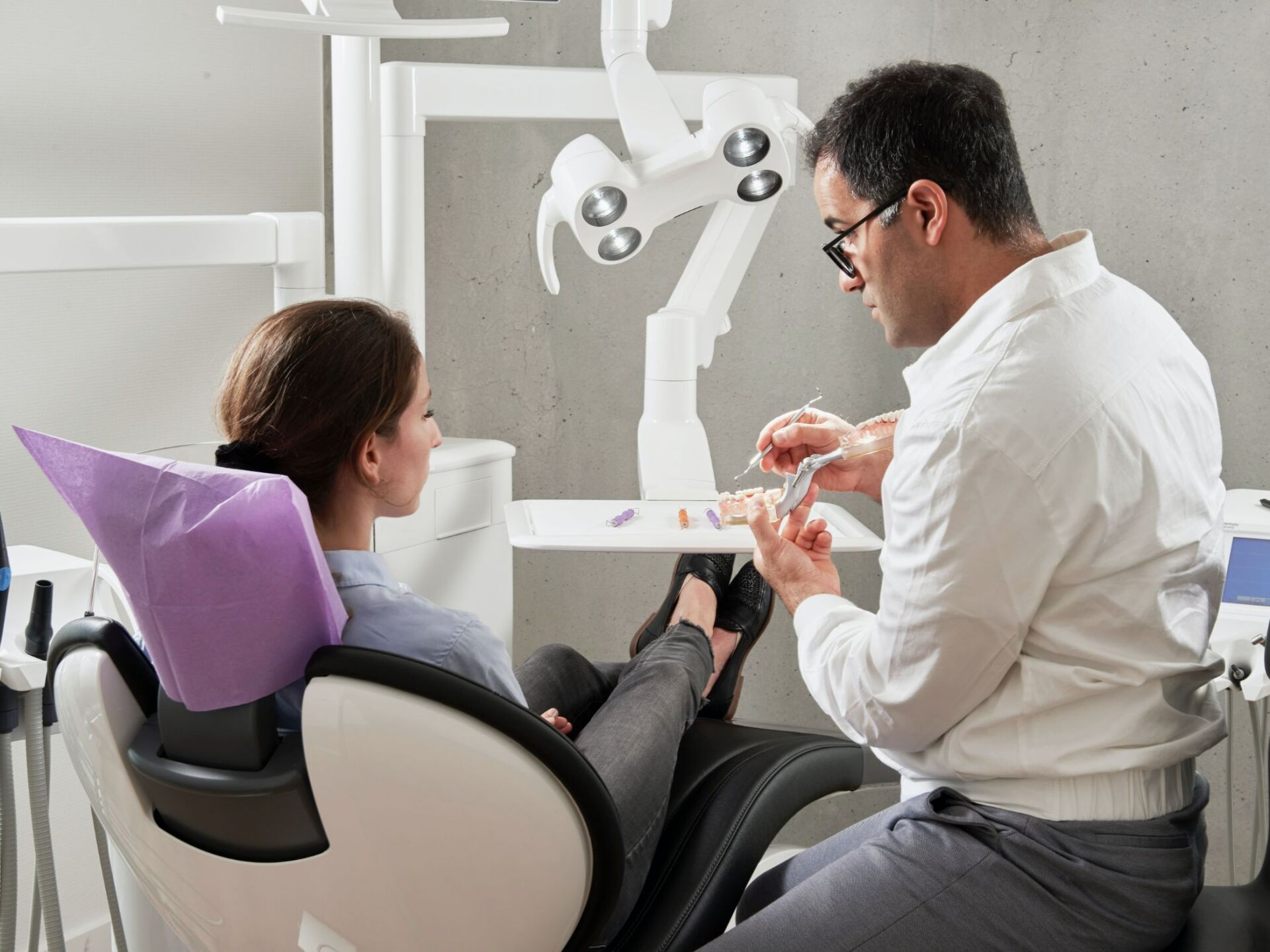
The process typically begins with a comprehensive evaluation, where detailed diagnostics are used to identify the root cause of symptoms. From there, a personalized treatment plan is developed, outlining clear next steps.
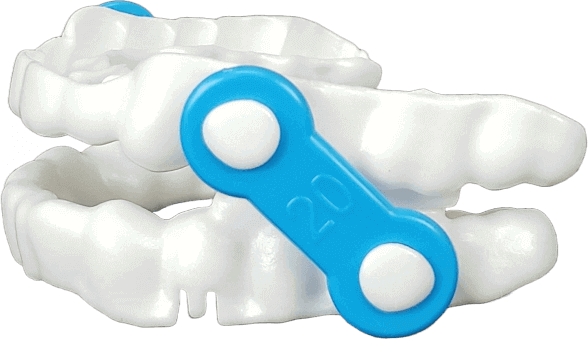
Many treatments—such as custom oral appliances—are designed for long-term use and can be monitored over time, even for patients who do not live nearby, and follow-up care is structured to be efficient and purposeful, minimizing unnecessary travel while maintaining continuity.
For TMJ specialists like Dr. Phillips treating non-local patients isn’t about creating ongoing travel; it’s about delivering the right diagnosis and putting the right treatment plan into place so patients can move forward with confidence.
Restore TMJ & Sleep Therapy: Advanced, Nationally Recognized TMJ Treatment in The Woodlands, Texas
Choosing to travel for care is ultimately about finding a team that can meet you where you are and guide you forward with confidence. At Restore TMJ & Sleep Therapy, that means a thoughtful, highly personalized experience from your first visit through every stage of treatment. Care is structured to be efficient, coordinated, and manageable for out-of-town patients, with clear communication, well-planned appointments, and ongoing support designed to minimize disruption while maximizing results. For patients who have been searching for real progress, that level of attention and follow-through can make all the difference.
If you’ve been struggling to find comprehensive and effective TMJ treatment close to home,
consider traveling to Restore TMJ & Sleep Therapy
and get closer to the solutions that are right for you.
Contact Us Today For A Consultation!
Contact Us

Read more blogs from REstore TMJ: