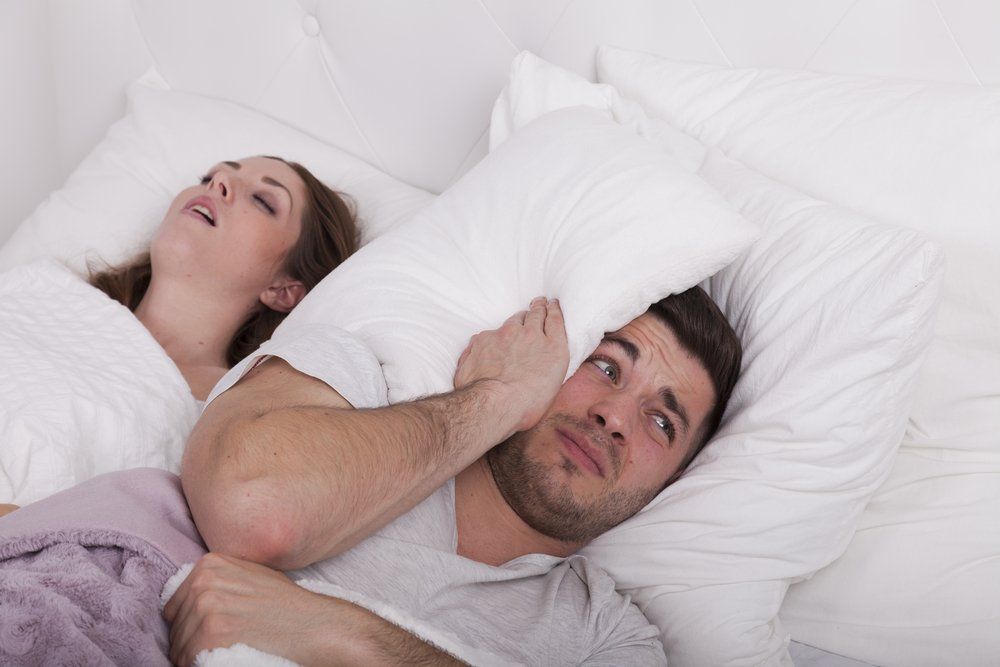
Are you tossing and turning at night, losing precious sleep because your partner habitually snores?
Or maybe the snoring is so loud and chronic you’ve been forced to sleep in separate rooms.
Unlike common, occasional snoring, snoring caused by obstructive sleep apnea (OSA) is serious. It’s important to seek proper diagnosis and treatment,
but how can you tell the difference? Is snoring a sign of sleep apnea? The answer is not always. Read on to learn how to distinguish simple snoring from OSA snoring, and when to see an expert.
Is Snoring a Sign of Sleep Apnea?
Most people who snore don't have obstructive sleep apnea, but most people who have OSA snore. In fact, habitual loud snoring is one of the most common signs of OSA. Not to be ignored, OSA is a serious condition where breathing stops and starts during sleep.
This can occur up to 30 times or more in an hour, resulting in a decreased oxygen supply to vital organs. Fortunately, there are identifiable differences between OSA and common snoring. If OSA is suspected, seeing an expert for diagnosis and treatment is paramount. It can even be a matter of life or death. Yes, it’s that important!
Differences Between Obstructive Sleep Apnea and Snoring
Snoring and OSA share some things in common, but the degree of severity differs. Snoring occurs when air doesn’t move freely through your throat and nose during sleep. Due to this, the surrounding tissues vibrate and produce familiar snoring sounds.
With OSA, the soft tissue in the back of the throat collapses or narrows to the extent that it blocks the upper airway. This makes it virtually impossible to breathe. Sensing an interruption in breathing, your brain momentarily awakens you to reopen your airway and restart breathing.
Differences between regular snoring and OSA snoring may not be as difficult to detect once you know the signs to look for. They include:
Waking Up When Snoring.
Most people don’t wake up when they snore. OSA sufferers almost always do, although their awakening may be so brief they don’t remember it. If they do remember, they are likely to recall waking up gasping for air and/or choking.
Snoring Volume.
OSA is often accompanied by snoring that can range from quiet to very loud and possibly accompanied by deep, noisy snorts that can startle a sleeping partner awake.
Cycles of Snoring Followed by Silence.
When an OSA sufferer stops breathing, their snoring stops, too.
A sleeping partner who is awake may notice an OSA event when it occurs if they are aware of these differences.
Can I Have Sleep Apnea if I Don’t Snore?
Yes, although snoring is one of the most common signs of obstructive sleep apnea, not all OSA suffers snore. Sleep apnea may also take the form of “Silent” Sleep Apnea, Upper Airway Resistance Syndrome, or Central Sleep Apnea in which snoring may not be present.
Snoring and Obstructive Sleep Apnea Risk Factors
Habitual loud snoring combined with one of more of the following risk factors can increase the probability of OSA. Risk factors include, but are not limited to:
Age.
OSA can occur at any age, but you become more susceptible as you reach middle age because the throat can become narrower and its muscle tone decreases.
Sex.
Men are more likely to suffer from OSA, but women can have OSA, too.
Physical abnormalities:
A narrow throat, a cleft palate, enlarged adenoids, a deviated septum, and more can contribute to OSA.
Sinus and nasal congestion:
Mucus blocking the airways makes breathing more difficult and snoring may result.
Smoking, alcohol, and medications:
All of these can increase muscle relaxation, leading to snoring and OSA.
Sleep position:
Sleeping on your back allows gravity to pull the soft tissues of the tongue down into the back of the throat. This results in a narrowing the airway that causes obstruction.
Obstructive Sleep Apnea Symptoms
As mentioned, snoring is one of the
most common signs of OSA, but there are plenty of other symptoms that signal you may be suffering from this disease. Symptoms include, but are not limited to:
Excessive daytime sleepiness.
People with OSA can stop breathing 30 times or more an hour. The result is poor quality sleep quality which can lead to excessive daytime sleepiness.
Morning headaches.
Intermittent pauses in breathing causes the body’s oxygen level to drop, which can cause a headache.
Awakening with a dry mouth and/or sore throat.
Sleeping with your mouth open most of the night, struggling to breathe, dries out mouth and throat tissues.
When to See a Doctor
Wondering when to see a doctor to learn if it’s common snoring or OSA?
The short answer is go now, especially if you snore loudly, wake up gasping for air or choking, experience chronic daytime sleepiness, and have one of more OSA risk factors.
Don’t delay. Undiagnosed or undertreated OSA has been associated with high blood pressure, cardiovascular disease, stroke, diabetes, and mortality.
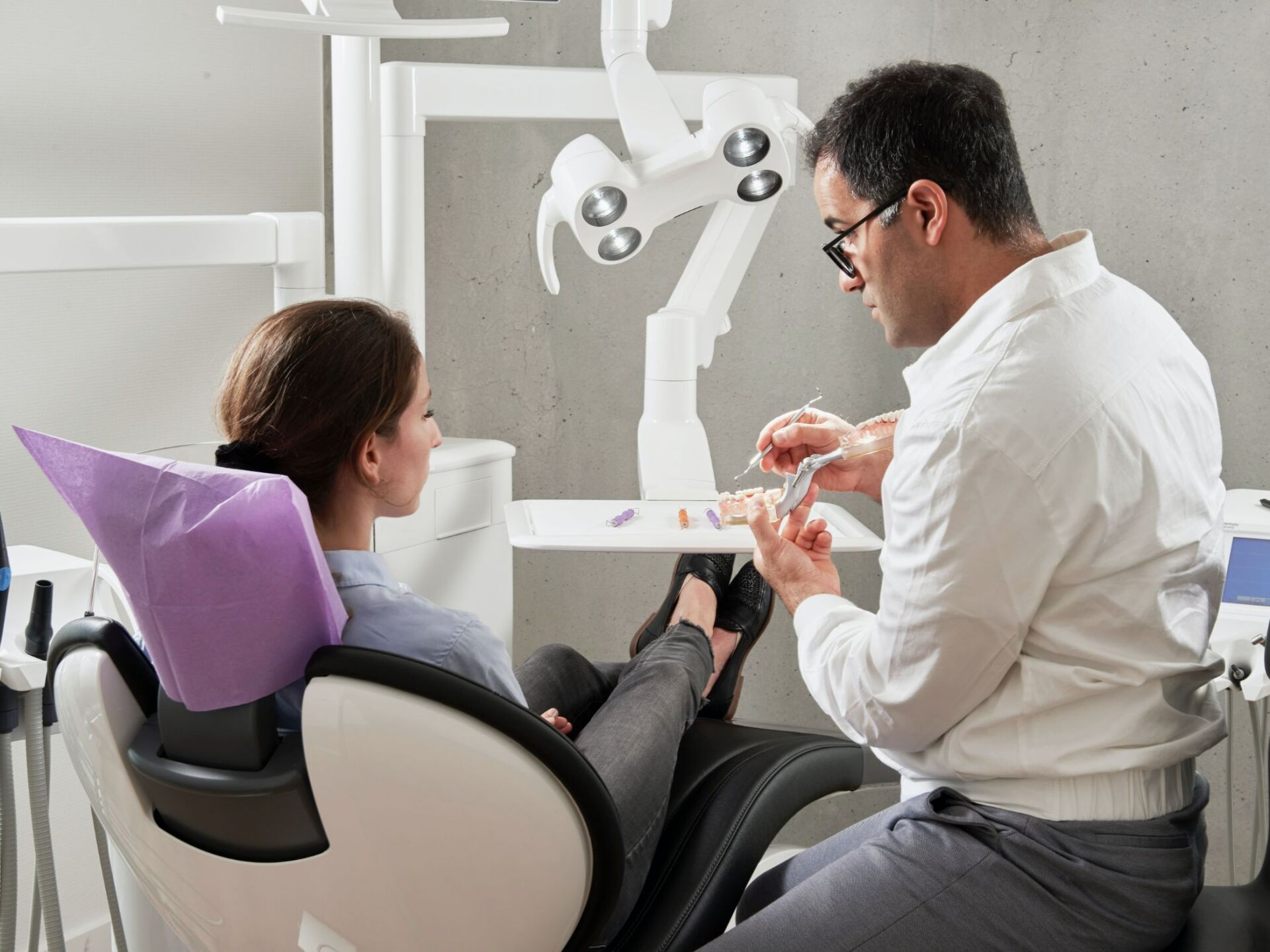
While some primary care doctors diagnose and treat mild OSA cases, many refer patients to a sleep medicine specialist for testing and diagnosis. You may also be referred to another specialist, such as an ENT (otolaryngologist), who can determine if anatomical abnormalities are the cause, to a neurologist to determine if underlying neurological problems exist, or to a sleep medicine dentist such as Dr. Katherine S. Phillips.
Contact Dr. Katherine Phillips for an Obstructive Sleep Apnea Consultation
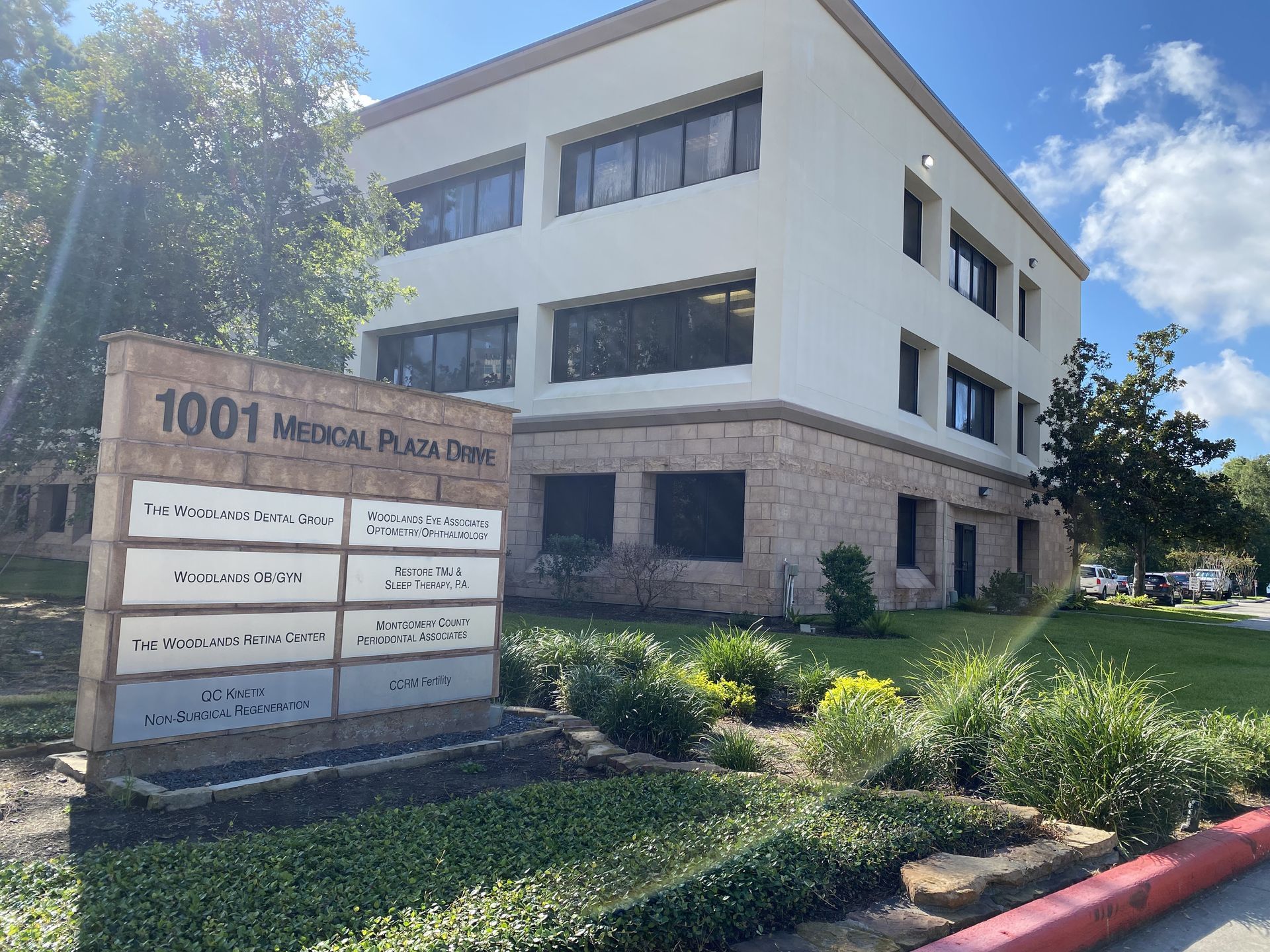
If you know or suspect you have obstructive sleep apnea, find out how Dr. Katherine S. Phillips can help you find relief. Schedule an appointment today.
She works closely with sleep medicine physicians and other medical specialists to treat OSA, and creates individualized treatment plans that include
customized oral appliances
worn during sleep.
A board-certified sleep dentist who holds a Master of Science in Orofacial Pain, her practice is dedicated to treating sleep disorders, including obstructive sleep apnea, as well as TMD. She will develop a customized treatment plan to best meet your individual needs.
-2700x842-1920w.png)