-2700x842-1920w.png)




Signs That Your TMJ Treatment Plan Is Incomplete

TMJ disorders are complex conditions, which means lasting relief depends on more than symptom control alone. When treatment is incomplete, subtle warning signs often appear that indicate underlying causes haven’t been fully identified or addressed and that it may be time to reassess your care and consider a more comprehensive, specialist-guided approach.
Common red flags your TMJ treatment plan may be incomplete or insufficient include:
- Diagnostic evaluation was limited or incomplete
- Important contributing factors are overlooked, such as:
- Posture.
- Habits.
- Sleep.
- Airway.
- Systematic health.
- Nervous system regulation.
- Nutrition.
- There is no clear progression or reassessment plan
- You lack confidence in the long-term treatment plan
Recognizing these signs early can help you advocate for care that addresses the full scope of TMJ dysfunction and determine whether evaluation by a TMJ specialist could better support lasting relief, improved function, and long-term stability.
If your TMJ symptoms are persistent, complex, or proving difficult to resolve, the experience and focus of the provider guiding your treatment matters. At
Restore TMJ & Sleep Therapy in The Woodlands, your care is led by
Dr. Katherine S. Phillips and
Dr. YC Joseph FischerHahm, whose
years of experience, clinical focus, and advanced training have been centered specifically on TMJ disorders, orofacial pain, and dental sleep medicine. Their depth of expertise enables them to accurately identify the true causes of your symptoms and develop comprehensive, effective treatment plans that prioritize long-term stability and meaningful improvement rather than temporary symptom management.
The Importance of a Complete and Comprehensive Treatment Plan for TMJ Disorders
Temporomandibular joint (TMJ) disorders are inherently complex. They rarely stem from a single issue and almost never respond well to one-size-fits-all solutions. The jaw joint itself, the surrounding muscles, the way the teeth fit together, the nervous system, posture, and even sleep and airway function can all play a role. Because so many systems are involved, effective TMJ care requires more than simply reducing pain, it requires understanding why the problem developed in the first place.
Many people begin TMJ treatment hoping for quick relief, and some improvement is often possible early on. However, ongoing pain, symptoms that return after temporary improvement, or progress that stalls over time can indicate that the treatment plan isn’t fully addressing the underlying causes of dysfunction. In these cases, the issue may not be the effort or intention behind the care, but rather that key contributing factors haven’t yet been evaluated or treated.
An incomplete TMJ treatment plan doesn’t mean your provider is “wrong,” but it does mean your condition may require
a broader, more comprehensive approach, one that integrates accurate diagnosis, individualized treatment strategies, and ongoing reassessment as your body responds. Recognizing the signs of an incomplete plan empowers you to ask better questions, advocate for your health, and determine whether your care is truly positioned to deliver lasting relief and long-term stability.
Red Flags That Your TMJ Treatment Plan May Be Incomplete
TMJ treatment should move you steadily toward lasting comfort, improved function, and long-term stability. When key aspects of diagnosis or treatment are missing, subtle warning signs can indicate further evaluation or intervention is needed.
The following are red flags that can help you understand when your current plan may not be addressing the full scope of your condition. Identifying them early allows you to reassess your care and determine whether a more comprehensive,
specialist-guided approach
could better support meaningful, lasting improvement.
1. Your diagnostic evaluation was limited or incomplete.
Accurate diagnosis is the foundation of effective TMJ treatment. Without understanding whether symptoms stem from the joint, muscles, nerves, bite, airway, or a combination, treatment becomes guesswork. This is why TMJ disorders often require more than a brief exam or basic X-ray to fully identify, diagnose, and treat.
Your TMJ treatment may be incomplete if your evaluation included:
- A diagnosis based only on symptoms.
- No assessment of disc position or joint health.
- Muscle pain and joint pain that was not differentiated.
- Airway or sleep factors that were ignored.
- No use of imaging despite persistent symptoms.
How Specialized TMJ Treatment Ensures a Complete and Accurate Evaluation:
Specialist care relies on objective diagnostics to guide treatment decisions. Advanced imaging, functional analysis, and neuromuscular assessment help identify the true drivers of pain and dysfunction, allowing treatment to be precise rather than generalized.
If you aren’t sure about your diagnostic evaluation, ask questions like:
- What structures are causing my symptoms?
- How was my diagnosis confirmed?
- Are we treating muscles, joints, or both?
- Have airway or sleep factors been evaluated?
2. You worry important contributing factors have been overlooked.
TMJ disorders don’t exist in isolation. Neck posture, shoulder tension, airway restriction, sleep quality, and stress patterns, nervous system regulation, nutrition, and systematic health all influence jaw function. Ignoring these contributors often limits progress.
Your TMJ treatment may be incomplete or insufficient if:
- Neck or shoulder pain isn’t addressed.
- Clenching or grinding habits go unmanaged.
- Stress or sleep issues are dismissed.
- Tongue posture or breathing isn’t evaluated.
- Treatment focuses only on the jaw itself.
How Specialized TMJ Treatment Takes a Comprehensive Approach
A complete approach to treating TMJ recognizes the interconnected nature of the jaw, muscles, and airway. Treatment accounts for how posture, sleep, and neuromuscular habits influence TMJ health, reducing the risk of ongoing strain or relapse.
If you’re concerned important contributing factors may have been overlooked, ask questions like:
- What factors might be contributing to my TMJ symptoms?
- How does my posture or sleep affect my jaw?
- Are habits like clenching being addressed?
- Is my airway playing a role?
3. You have not been provided with a clear progression or reassessment plan.
TMJ treatment should evolve as your body responds. If months pass with no reassessment—or if worsening symptoms are repeatedly labeled “normal”—your care may be stagnating.
Your TMJ treatment may be incomplete or insufficient if:
- You have no defined treatment phases.
- Follow-ups feel routine rather than evaluative.
- Symptoms plateau without plan changes.
- You’re unsure what progress should look like.
- Goals and milestones are unclear.
How Specialized TMJ Treatment Plans for Measurable Outcomes
Effective care includes structured phases, regular reassessment, and adjustments based on objective and subjective progress. Patients understand what each phase aims to accomplish and how success is measured.
To gain a clearer understanding of how your treatment will progress, ask questions like:
- What phase of treatment am I currently in?
- How will we measure progress?
- What changes if improvement stalls?
- What does successful treatment look like?
4. You’re not confident in the long-term plan.
Perhaps the biggest red flag is uncertainty. If you don’t understand your diagnosis, your treatment goals, or what comes next, it’s difficult to feel confident in your care, especially for a condition as complex as TMJ disorders.
Your TMJ treatment may be incomplete or insufficient if:
- You don’t know the end goal of treatment.
- Long-term outcomes aren’t discussed.
- Questions are brushed off.
- Referrals are avoided when needed.
How Specialized TMJ Treatment Puts Patient Confidence First
Specialist-led care emphasizes education, transparency, and collaboration. Patients understand not just what is being done, but why, and how it supports long-term stability, comfort, and function.
If you’re not sure what your long-term treatment plan looks like, ask questions like:
- What is the long-term goal of my treatment?
- How will we know when treatment is complete?
- What steps reduce the risk of recurrence?
- Who is overseeing the big picture of my care?
What to Ask Your Provider if You Have Questions About Your TMJ Treatment
A comprehensive TMJ treatment plan should do more than explain what treatment you're receiving; it should also explain why each part of the plan is necessary and how the different therapies work together to improve jaw function over time. If you have questions about your current care, don't hesitate to ask them. A provider should be able to clearly explain your treatment strategy, expected progress, and how decisions will be made throughout the process.
Questions About Your Overall Treatment Approach
If symptoms continue to return or you feel like treatment is simply managing your discomfort rather than resolving it, it may be worth asking:
- What is the primary goal of my treatment?
- How does this treatment address the underlying cause of my symptoms, not just the symptoms themselves?
- What factors are contributing to my TMJ disorder, and how are they being addressed?
- If this treatment doesn't provide the expected results, what are the next steps?
Questions About Oral Appliances
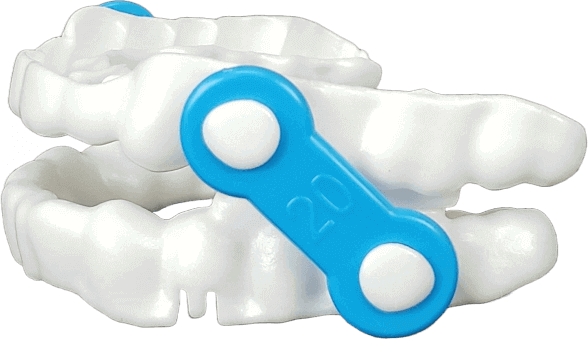
Oral appliances are commonly used to treat TMJ disorders, but they should generally be part of a broader, individualized treatment strategy rather than the entire treatment plan. Depending on your diagnosis, they may be combined with muscle therapy, neuromuscular evaluation, behavioral modifications, and periodic adjustments as your condition changes. Understanding how an appliance fits into your overall care can help set realistic expectations for treatment.
Consider asking:
- Why is this appliance the best choice for my diagnosis?
- What role does it play within my overall treatment plan?
- How will you determine whether it's working as intended?
- Will the appliance or treatment strategy change as my condition improves?
Trust a TMJ Specialist for Complete and Comprehensive Treatment of Your TMJ Symptoms
When TMJ disorders persist, recur, or resist standard treatment, the difference often lies in who is guiding your care. TMJ specialists focus exclusively on conditions affecting the jaw joints, muscles, nerves, and airway, as well as how those systems interact. Rather than treating isolated symptoms, specialist-led care is built around advanced diagnostic precision, interdisciplinary training, and treatment strategies designed to restore stability, function, and long-term comfort. This depth of focus is what allows complex or longstanding TMJ cases to move beyond temporary relief toward meaningful, lasting improvement.
At Restore TMJ & Sleep Therapy, care is led by Dr. Katherine S. Phillips and Dr. YC Joseph FischerHahm, clinicians whose careers are centered on TMJ disorders, orofacial pain, and dental sleep medicine. Their advanced training, board certifications, and nationally recognized credentials reflect a level of expertise that goes far beyond general or cosmetic dentistry. This background allows them to accurately differentiate joint-based, muscle-based, and airway-related contributors to pain, and to design treatment plans that are evidence-based, individualized, and responsive as patients progress.
Specialist-directed TMJ care offers advantages that directly translate into better outcomes, including:
- Advanced diagnostic tools to identify the true source of dysfunction.
- Deep expertise in orofacial pain, TMJ biomechanics, and neuromuscular coordination.
- Integrated management of related conditions such as headaches, neck pain, bruxism, and sleep-disordered breathing.
- Structured, multi-phase treatment plans with clear goals and reassessment.
- A focus on long-term stability, not just short-term symptom control.
For patients, this level of specialized care means greater confidence in the diagnosis, more effective and targeted treatment, improved pain relief, and a better overall quality of life, especially when TMJ symptoms have been difficult to resolve elsewhere.
If you’ve been feeling unsure or less than confident in the efficacy of your TMJ treatment plan, schedule an appointment with
Restore TMJ & Sleep Therapy
today, and let’s get you on the road to better health.
Contact Us Today For A Consultation!
Contact Us

Read more blogs from REstore TMJ: