-2700x842-1920w.png)




Why a TMJ Disorder May be Causing Your Scalloped Tongue

The tongue works closely with the jaw, teeth, and facial muscles to help maintain balance and stability in the mouth. When jaw function is disrupted by TMJ disorders, the tongue may try to compensate by pressing outward against the teeth. Over time, this repeated pressure creates the tooth-shaped indentations or impressions known as a scalloped tongue. Because the same issues that can cause scalloped tongue commonly contribute to jaw pain, facial tension, bruxism, snoring, and sleep apnea, scalloped tongue is usually a sign of broader dysfunction within the jaw and muscle system, one that can often improve when TMJ-focused treatment reduces the underlying pressure causing the impressions.
At
Restore TMJ & Sleep Therapy in The Woodlands, patients with scalloped tongue and related TMJ concerns receive care that goes beyond the cosmetic symptoms.
Dr. Katherine S. Phillips and
Dr. YC Joseph FischerHahm specialize in
TMJ disorders,
orofacial pain, and dental sleep medicine, all areas directly tied to the muscle tension, jaw dysfunction, clenching, and airway issues that commonly cause tongue scalloping. With decades of combined experience and advanced training in diagnosing complex jaw and muscle interactions, their approach focuses on identifying and relieving the underlying pressure driving these changes. By evaluating the jaw, bite, muscles, and airway together, our team is able to provide comprehensive, individualized treatment designed to reduce strain, restore healthy function, and address scalloped tongue as part of the bigger picture, not an isolated finding.
The Tongue’s Role in Healthy Jaw and Mouth Function
The tongue is an active part of the jaw system. In addition to facilitating speech and swallowing, it also works constantly with the jaw, teeth, and facial muscles to help maintain balance, stability, and comfort throughout the mouth.
When everything is functioning properly, the tongue rests lightly against the roof of the mouth, with minimal pressure on the teeth. The jaw muscles are relaxed at rest, the teeth only come together during chewing or swallowing, and the tongue moves freely without needing to brace or compensate. This balance allows the jaw joints and muscles to work efficiently without strain.
Because the tongue is a powerful, adaptable muscle, it often responds quickly when something in this system is off. If the jaw is clenched, the bite is unstable, or the airway is restricted—especially during sleep—the tongue may shift position or press outward to help stabilize the jaw or maintain airflow. Over time, that constant pressure can leave visible impressions along the sides of the tongue.
Changes in tongue posture and appearance, including scalloping or crenation, are usually signs of an underlying functional imbalance rather than a problem with the tongue itself, which is why scalloped tongue so often appears alongside TMJ disorders, chronic muscle tension, clenching, and sleep-related breathing issues.
What Causes a Crenated or Scalloped Tongue
A scalloped tongue is characterized by indentations, ridges, or impressions along the sides of the tongue that match the shape of the teeth. These impressions form when the tongue repeatedly presses against or rests between the teeth for extended periods of time, and the scalloping reflects how the tongue is being positioned within the oral cavity, often due to abnormal muscle activity, jaw posture, or limited space.
With a scalloped or crenated tongue, the tongue itself is typically healthy, but the positioning, pressure, or muscle activity around it is not.
The scalloping is the result of the tongue being constantly crowded, compressed, or used for compensation inside the mouth, and the tooth indentations develop when the tongue is forced to adapt to limited or unstable space inside the mouth.
This often happens when:
- The jaw is held in a strained, clenched, or unnatural position.
- Muscles of the jaw and face are overactive or imbalanced, remaining tight even at rest.
- The bite does not allow the teeth to come together evenly.
- The body subconsciously braces or clenches the jaw
- The body tries to keep the airway open during sleep.
In these situations, the tongue may press outward against the teeth as a way to stabilize the jaw or maintain an airway, and over time, this repeated pressure leaves visible impressions.
The Connection Between Scalloped Tongue and TMJ Disorders
TMJ disorders affect how the jaw moves, rests, and stabilizes, so changes in jaw function often show up elsewhere in the mouth. Because the tongue works in constant coordination with the jaw, muscles, and bite, even subtle dysfunction within the TMJ system can alter how the tongue behaves and where it rests. Over time, those adaptations can become visible as scalloping along the sides of the tongue.
When the TMJ isn’t functioning properly, several interconnected factors can contribute to tongue scalloping, including:
Muscle tension, jaw strain, and muscle overactivity.
People with TMJ disorders often have jaw muscles that remain partially contracted even at rest. This ongoing tension increases pressure throughout the oral cavity and can lead to unconscious clenching or bracing. As a result, the tongue is pushed outward against the teeth, creating the characteristic scalloped edges.
Bite imbalances or instability.
When the teeth don’t come together evenly, the jaw lacks a stable closing position. The tongue often compensates by shifting or pressing against the teeth to help guide or stabilize the jaw during rest and movement. When this compensation happens repeatedly—especially during sleep—the constant contact can lead to scalloping over time.
Shared nerve and muscle pathways.
The jaw, tongue, and facial muscles are tightly linked through shared neuromuscular control. Strain or dysfunction in one part of the system can trigger protective or compensatory responses in others. This means jaw dysfunction doesn’t stay isolated to the joint; it can directly influence tongue posture and muscle activity without a person being aware of it.
Altered jaw position.
When the jaw sits too far back, too far forward, or off to one side, the available space for the tongue changes. In response, the tongue may be forced into an unnatural resting position that increases contact with the teeth, contributing to scalloping.
Together, these patterns explain why scalloped tongue so often appears alongside
common TMJ symptoms like jaw pain, clicking or popping, headaches, facial soreness, neck tension, and disrupted sleep. Rather than being an isolated finding, scalloped tongue is usually part of a broader pattern of jaw and muscle strain and signals how the jaw and surrounding muscles are functioning.
Scalloped Tongue and Bruxism (Clenching and Grinding)
Clenching and grinding are some of the most common contributors to scalloped tongue because when someone clenches, the jaw muscles tighten, space inside the mouth decreases, and the tongue is pushed outward against the teeth.
Because clenching often happens during sleep, the tongue can be under pressure for hours at a time.
The American Academy of Sleep Medicine reports that sleep bruxism is commonly linked to other conditions involving muscle tension and airway strain, and is one reason why scalloped tongue appears so often in these patients.
Scalloped Tongue, Sleep Apnea, and Snoring
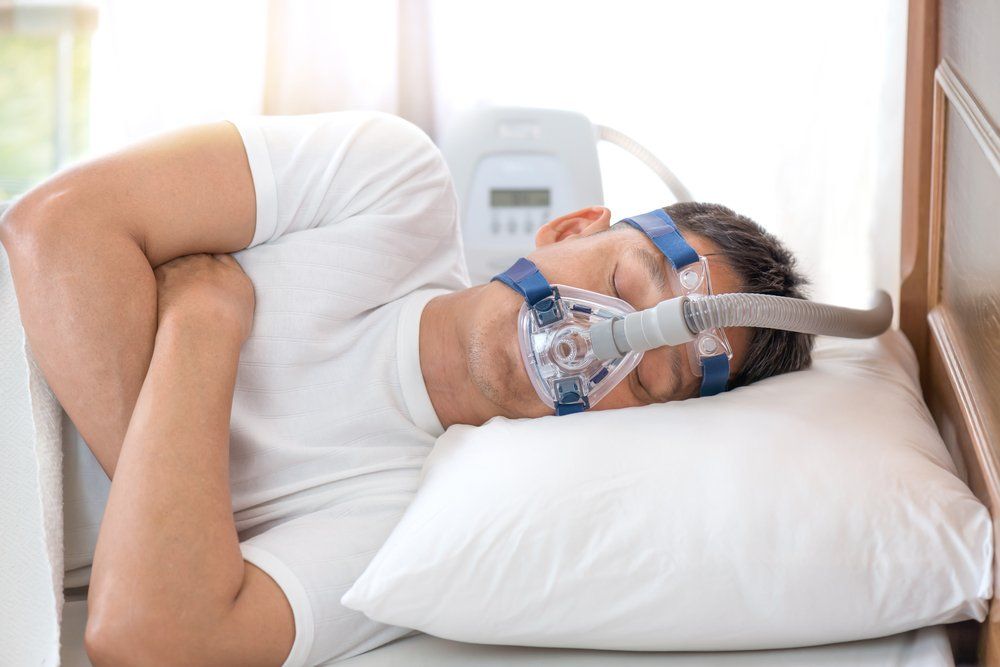
Scalloped tongue is also frequently seen in people with sleep apnea and chronic snoring. When airflow is partially blocked during sleep, the tongue may shift or press forward to help keep the airway open. Over time, this constant effort can leave tooth impressions along the tongue.
Studies have found that scalloped tongue appears more often in people with obstructive sleep apne, especially when combined with jaw clenching or a narrow airway, and because TMJ disorders, clenching, and airway issues often overlap, scalloped tongue can be a visible sign that these systems are interacting in an unhealthy way.
Scalloped Tongue and Jaw or Orofacial Pain
Scalloped tongue commonly appears alongside jaw and facial pain, tension headaches or pressure around the temples, neck and shoulder tightness, and generalized muscle soreness in the face. These symptoms tend to travel together because they often stem from the same underlying issue: chronic muscle overuse and jaw strain.
When the jaw muscles are overactive—whether due to clenching, grinding, bite instability, or TMJ dysfunction—the entire orofacial system remains in a guarded, tense state. As part of this pattern, the tongue frequently presses outward against the teeth, creating the characteristic scalloped edges. At the same time, the overworked jaw and facial muscles can become fatigued and inflamed, leading to pain, stiffness, and discomfort in the jaw joint and surrounding areas.
Rather than being separate problems, scalloped tongue and jaw or orofacial pain are often two visible signs of the same ongoing stress within the jaw–muscle system, reinforcing a cycle of tension that can persist without targeted treatment.
Does a Scalloped Tongue Need To Be Treated?
Because scalloped tongue is often a symptom of a broader functional problem, effective care requires advanced training in TMJ disorders, orofacial pain, and neuromuscular balance. A TMJ specialist looks beyond surface symptoms to understand how the jaw, muscles, teeth, and airway are working together—or not–and is trained to recognize scalloped tongue as a sign of a larger functional issue, not just a visual detail.
This specialized training allows them to:
- Identify whether scalloping is related to TMJ dysfunction, clenching, or airway issues
- Evaluate jaw position, muscle activity, and bite together.
- Connect tongue changes to symptoms like pain, headaches, or sleep disruption.
- Build a treatment plan focused on long-term stability, not temporary relief.
Treatment guided by a TMJ specialist focuses on restoring healthy jaw function, muscle balance, and bite stability so the tongue no longer has to compensate. As jaw function improves and muscle strain decreases, the tongue no longer needs to press against the teeth and typically adapts accordingly.
TMJ-focused treatment for correcting scalloped tongue may include:
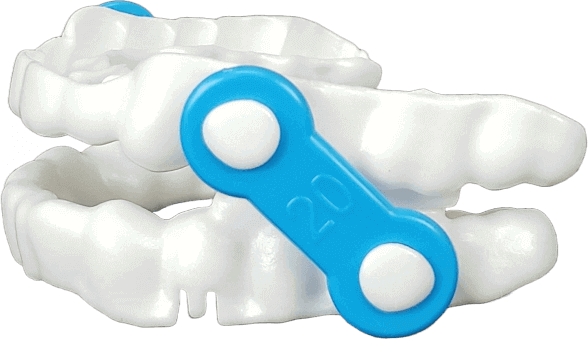
- Custom oral appliance, devices that are designed to stabilize the jaw, reduce clenching and grinding, and create healthier space for the tongue, especially during sleep.
- Muscle relaxation and rebalancing, which calms overactive jaw muscles, pressure inside the mouth decreases, allowing the tongue to rest in a more natural position.
- Bite correction, so that the tongue no longer needs to brace against the teeth to help the jaw feel stable.
- Airway-supportive therapy, which improves airflow during sleep and reduces the need for the tongue to push forward or outward, reducing scalloping over time.
Treat Your Scalloped Tongue with Specialized Care from Restore TMJ & Sleep Therapy
At Restore TMJ & Sleep Therapy, your care is grounded in advanced training, evidence-based protocols, and technology designed specifically for complex TMJ and airway-related conditions. With advanced credentials in orofacial pain and dental sleep medicine—including advanced board certification and fellowship-level training—and deep expertise in TMJ disorders and airway-focused care, Dr. Phillips and Dr. FischerHaham can accurately and effectively diagnose and treat scalloped tongue as part of a larger functional picture. Using comprehensive evaluations, advanced imaging, and custom therapies tailored to each patient, their approach focuses on proven strategies that reduce jaw strain, relieve muscle tension, and restore healthy function over time.
If you’re noticing scalloped tongue along with jaw pain, clenching, headaches, or sleep issues,
schedule a consultation with Restore TMJ & Sleep Therapy in The Woodlands to get the answers—and the treatment plan–you need to address the root cause and improve your quality of life.
Contact Us Today For A Consultation!
Contact Us

Read more blogs from REstore TMJ: